


Pronounce Arabic simply

  • About the Course
  • Course Objectives
  • How to Make the Most of This Course

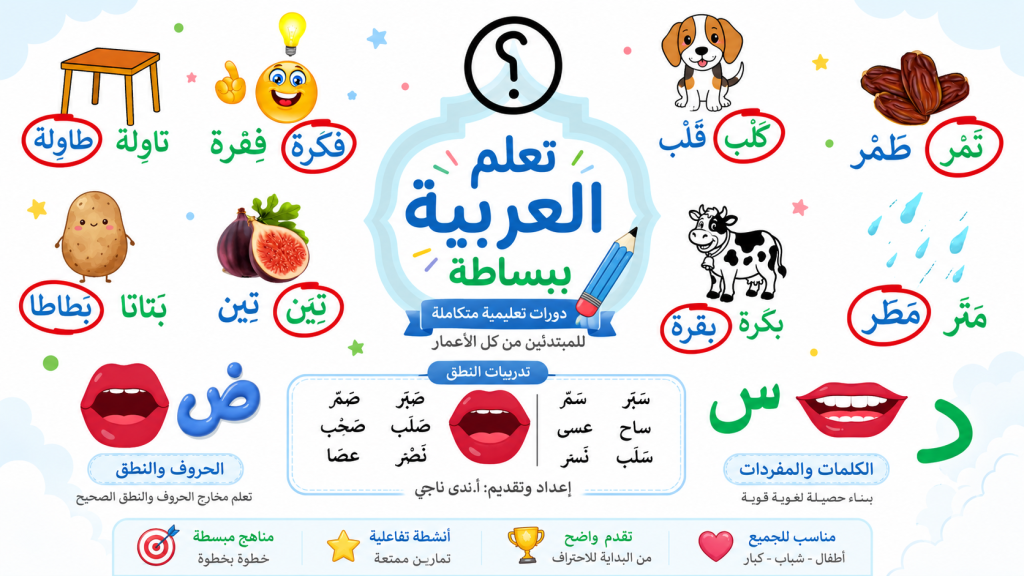
Do you find it challenging to distinguish between similar Arabic sounds? "Pronounce Arabic Simply" is your innovative, practical journey to mastering Arabic phonetic articulations and speaking like a native!

The course focuses primarily on one of the greatest phonetic challenges for non-native speakers: the mechanics of velarization and pharyngealization (Emphatic vs. Plain sounds) and mastering the articulation points (Makharij). In the Arabic language, emphasis is not merely an acoustic ornament; it is an anatomical linguistic feature that completely alters word structure and semantic meaning. Confounding an emphatic sound with its plain counterpart, or failing to engage the correct articulation point, directly leads to a complete shift in the intended meaning and causes communication breakdown.

Specially designed for learners of Arabic as a foreign language, this course provides you with practical tools to control tongue movement and vocal organs, allowing you to speak fluently and confidently without complexity.

By the end of this course, learners will be able to:

  • Master Emphatic and Plain Mechanics: Achieve precise auditory and articulatory distinction between plain sounds and their emphatic counterparts.
  • Perfect Articulation Points (Makharij): Enunciate Arabic sounds accurately from their correct anatomical positions.
  • Preserve Semantic Meaning: Eliminate pronunciation errors caused by letter substitution, which inadvertently change word meanings and sentence contexts.
  • Improve Phonetic Fluency: Reduce the impact of a foreign accent and acquire a natural, fluid intonation during speech.
  • Enhance Self-Confidence: Speak with full phonetic awareness, ensuring accuracy in both what is spoken and what is intended.

How to Maximize the Benefit of the Course (Learning Methodology)

To achieve optimal results and train your vocal tract on these new sounds, follow these strategic steps:

  1. Conscious Listening & Analysis: Listen intently to the intensity and depth of the sound. Observe the visual and kinetic differences in mouth shape and oral cavity volume between emphatic and plain letters.
  2. Muscular Shadowing: Repeat the sounds and words immediately after the instructor.
  3. Contrastive Pair Drills: Identify the correct sound that corresponds to each image/illustration, and repeat it aloud.
  4. Self-Recording & Evaluation: Record your voice while reading the exercises, then listen back and compare it to the model performance to evaluate your articulation accuracy and emphasis strength.
  5. Daily Practice & Repetition: Maintain consistent daily vocal exercises; mastering articulation points and emphasis depends primarily on retraining the muscle memory of your vocal tract.

Lesson

1. Distinguishing the Sounds of ت (/t/) and ط (/ṭ/)
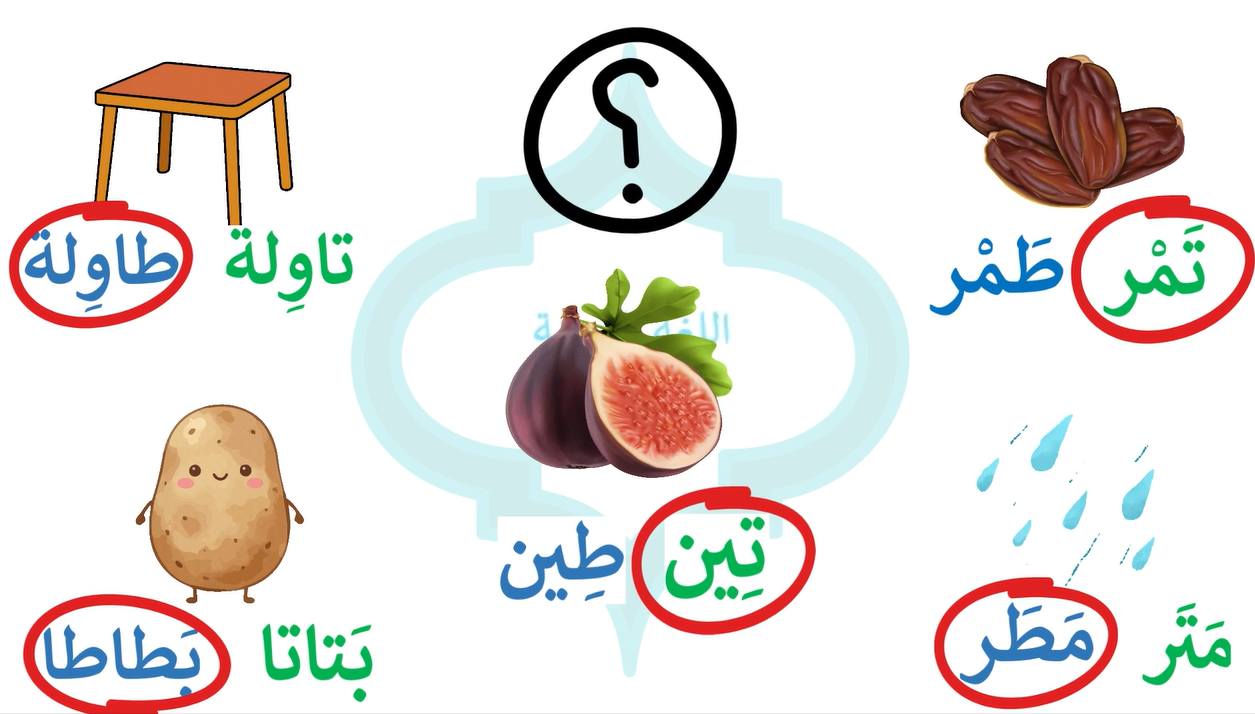
What is the difference between the letters Tāʼ (ت) and Ṭāʼ (ط) in pronunciation?

The letter Ṭāʼ (ط) is an emphatic (heavy) consonant, whereas the letter Tāʼ (ت) is a non-emphatic (light) consonant.

This video provides an audio explanation of the difference between the pronunciation of Tāʼ (ت) and Ṭāʼ (ط), along with practical examples to help you master their correct pronunciation.

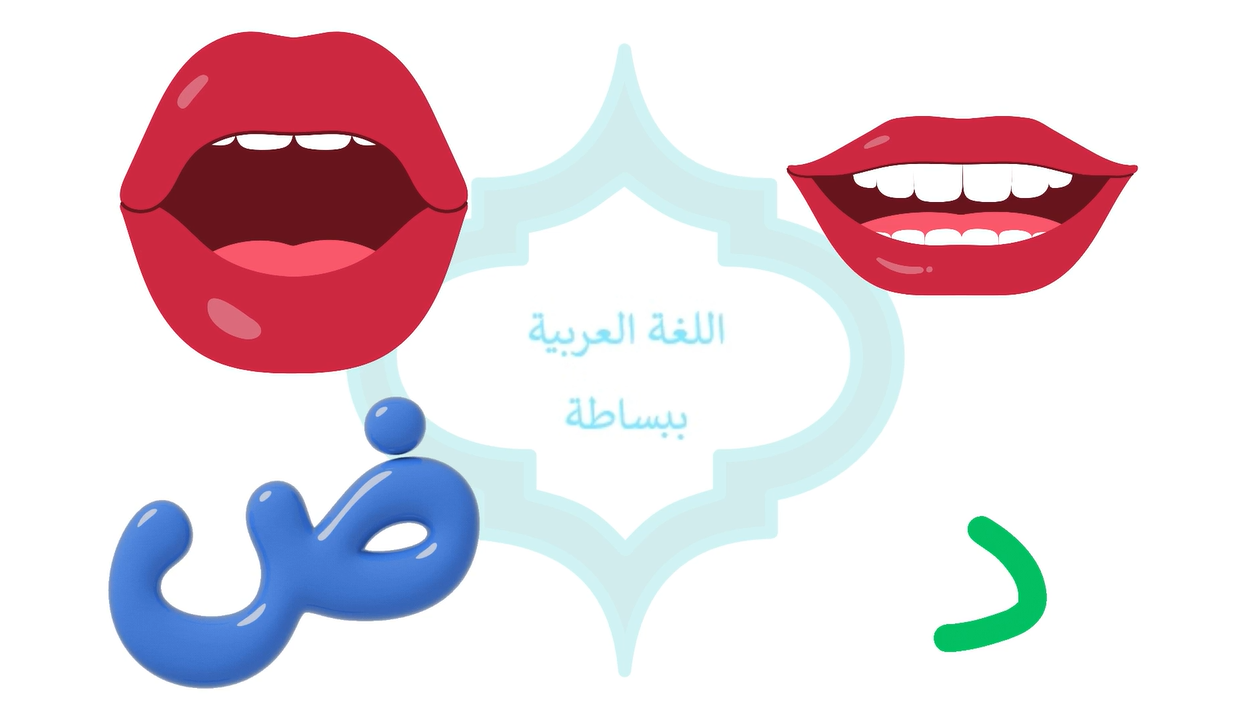
What is the difference between the letters Dāl (د) and Ḍād (ض) in pronunciation?

The letter Ḍād (ض) is an emphatic (heavy) consonant, whereas the letter Dāl (د) is a non-emphatic (light) consonant.

This video provides an audio explanation of the difference between the pronunciation of Dāl (د) and Ḍād (ض), along with practical examples to help you master their correct pronunciation.

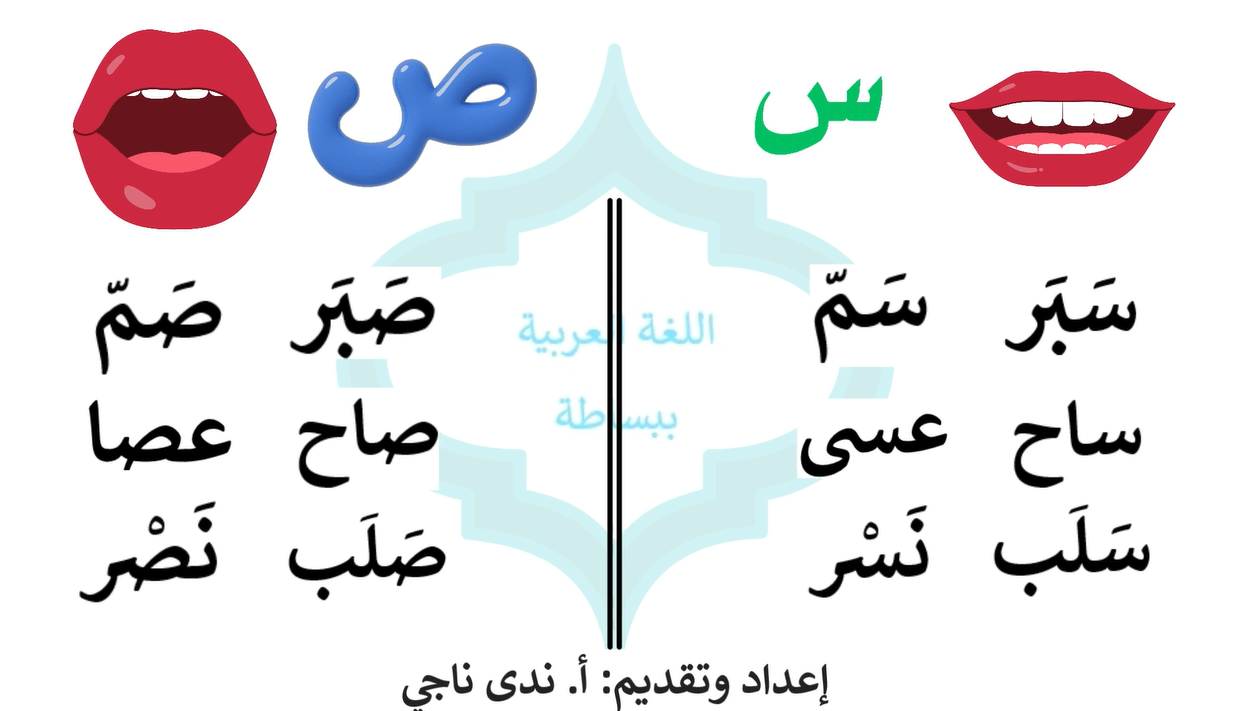
What is the difference between the letters Sīn (س) and Ṣād (ص) in pronunciation?

The letter Ṣād (ص) is an emphatic (heavy) consonant, whereas the letter Sīn (س) is a non-emphatic (light) consonant.

This video provides an audio explanation of the difference between the pronunciation of Sīn (س) and Ṣād (ص), along with practical examples to help you master their correct pronunciation.

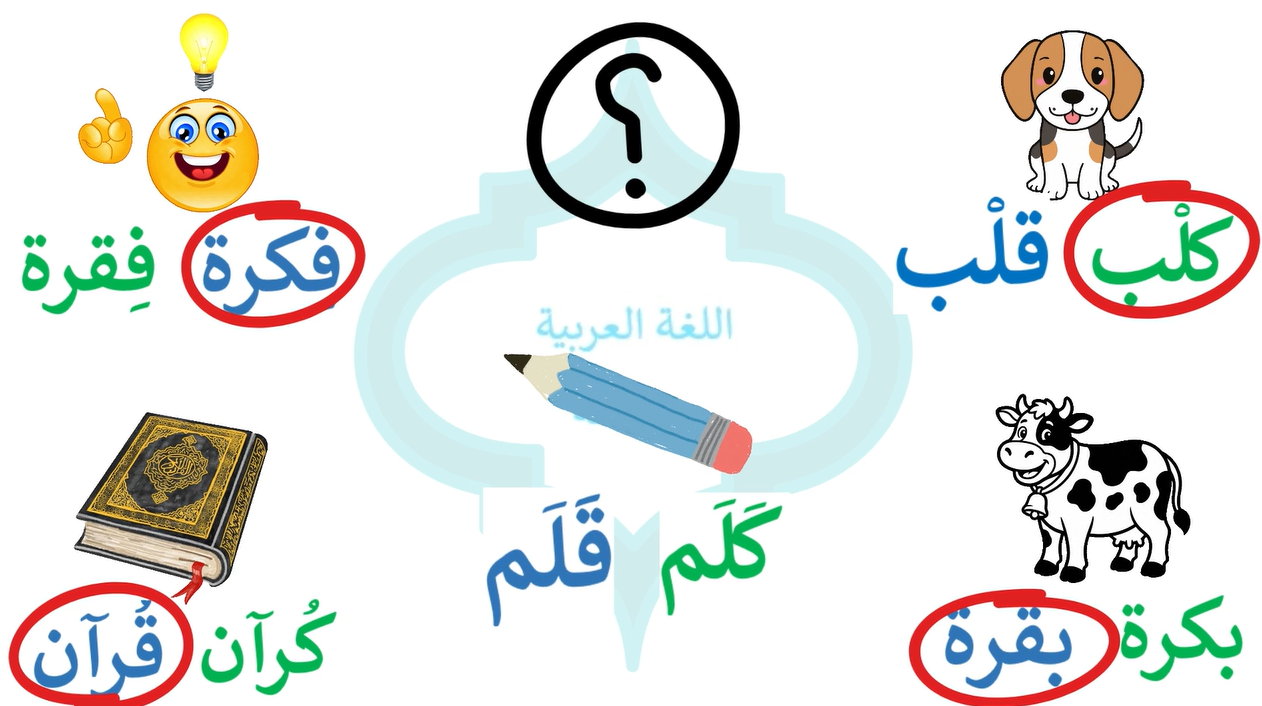
What is the difference between the letters Kāf (ك) and Qāf (ق) in pronunciation?

The letter Qāf (ق) is an emphatic (heavy) consonant, whereas the letter Kāf (ك) is a non-emphatic (light) consonant.

This video provides an audio explanation of the difference between the pronunciation of Kāf (ك) and Qāf (ق), along with practical examples to help you master their correct pronunciation.

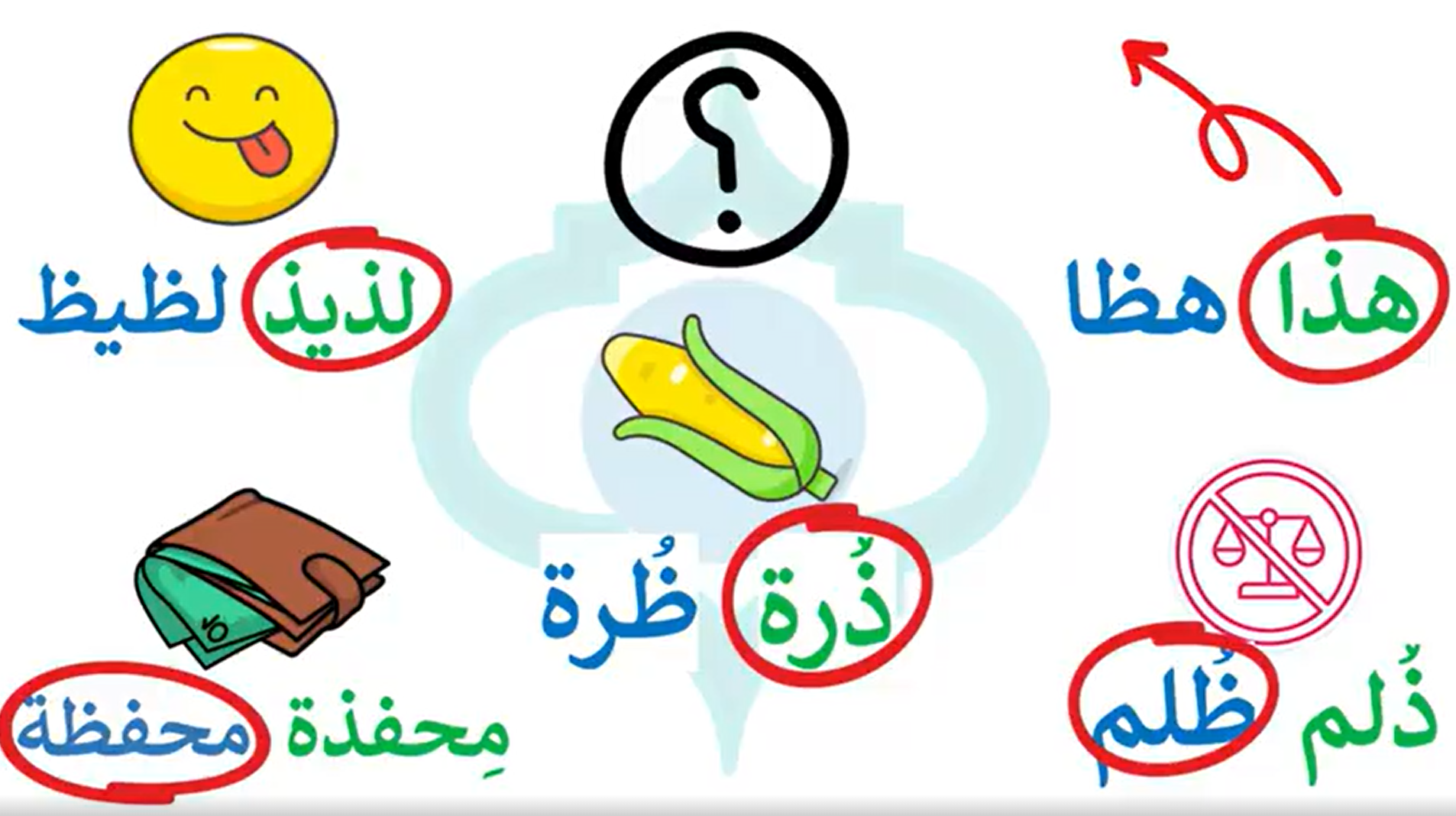
What is the difference between the letters Dhāl (ذ) and Ẓāʾ (ظ) in pronunciation?
 
The letter Ẓāʾ (ظ) is an emphatic (heavy) consonant, whereas the letter Dhāl (ذ) is a non-emphatic (light) consonant.
Both are interdental sounds (pronounced with the tip of the tongue between the teeth), but Ẓāʾ is pronounced with a deeper, heavier tone.
 
This video provides an audio explanation of the difference between the pronunciation of Dhāl (ذ) and Ẓāʾ (ظ). It demonstrates how heavying (tafkhīm) or thinning (tarqīq) a letter can completely change the meaning of a word, along with practical exercises to help you master their correct pronunciation.
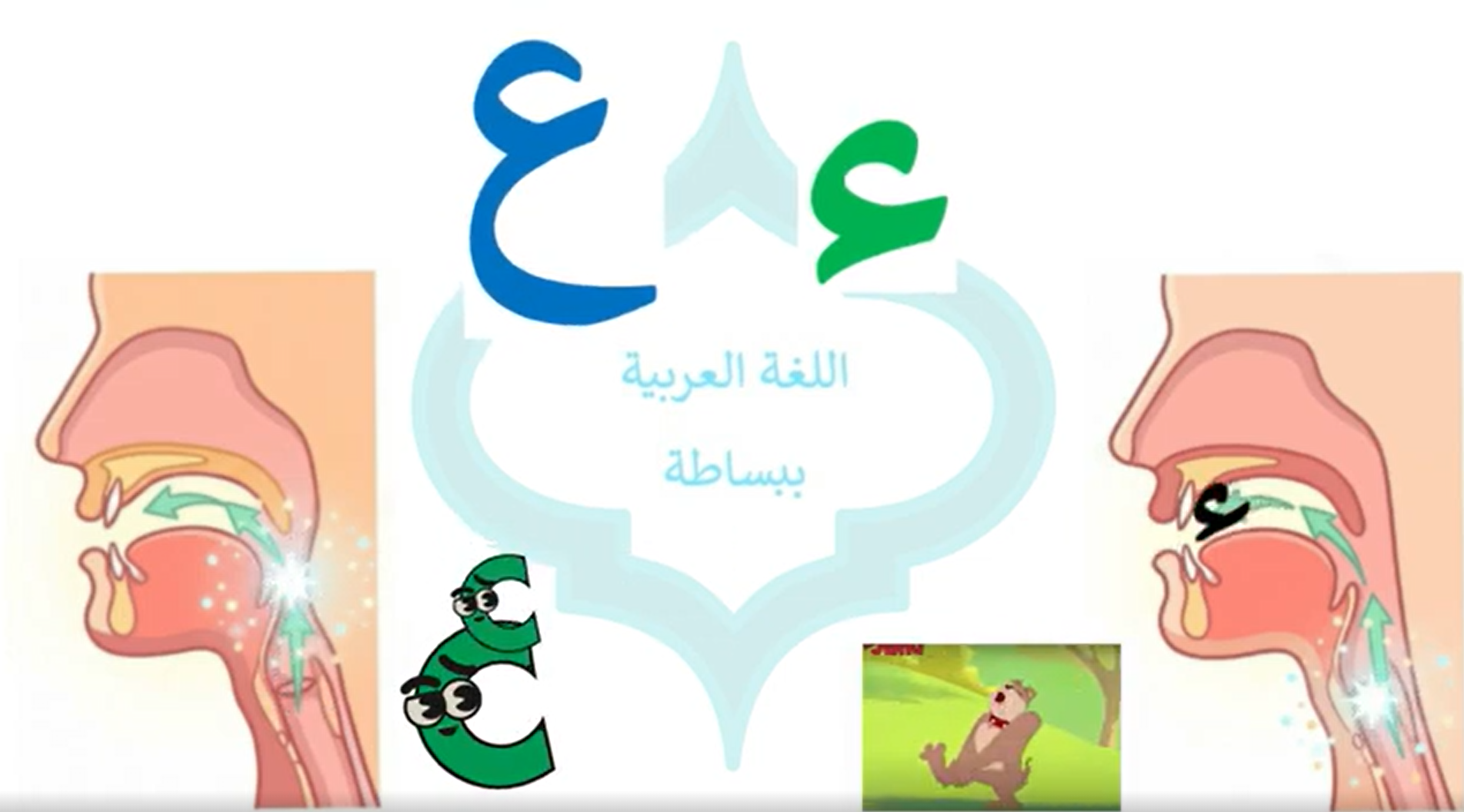
What is the difference between the letters Hamza (أ) and ‘Ayn (ع) in pronunciation?

The letter Hamza (أ) is a glottal sound produced from the bottom of the throat, whereas the letter ‘Ayn (ع) is a pharyngeal sound produced from the middle of the throat.

This video provides an audio explanation of the difference between the pronunciation of Hamza (أ) and ‘Ayn (ع). It demonstrates how mispronouncing or confusing these two throat sounds can completely change the meaning of a word, along with practical exercises to help you master their correct articulation.
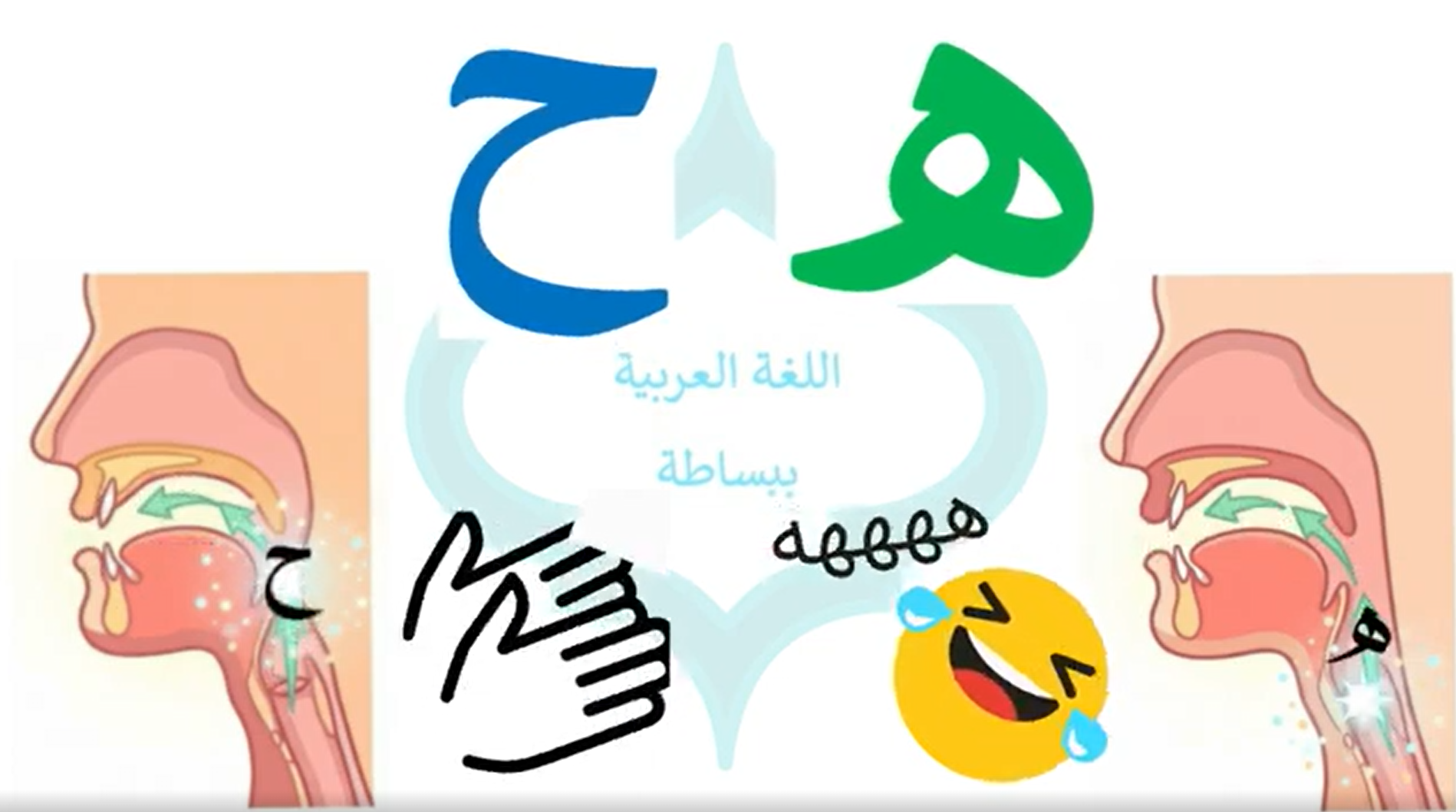
What is the difference between the letters Hāʾ (هـ) and Ḥāʾ (ح) in pronunciation?

The letter Hāʾ (هـ) is a soft glottal sound produced from the bottom of the throat, whereas the letter Ḥāʾ (ح) is a pharyngeal sound produced from the middle of the throat.

This video provides an audio explanation of the difference between the pronunciation of Hāʾ (هـ) and Ḥāʾ (ح). It demonstrates how mispronouncing or confusing these two throat sounds can completely change the meaning of a word, along with practical exercises to help you master their correct articulation.
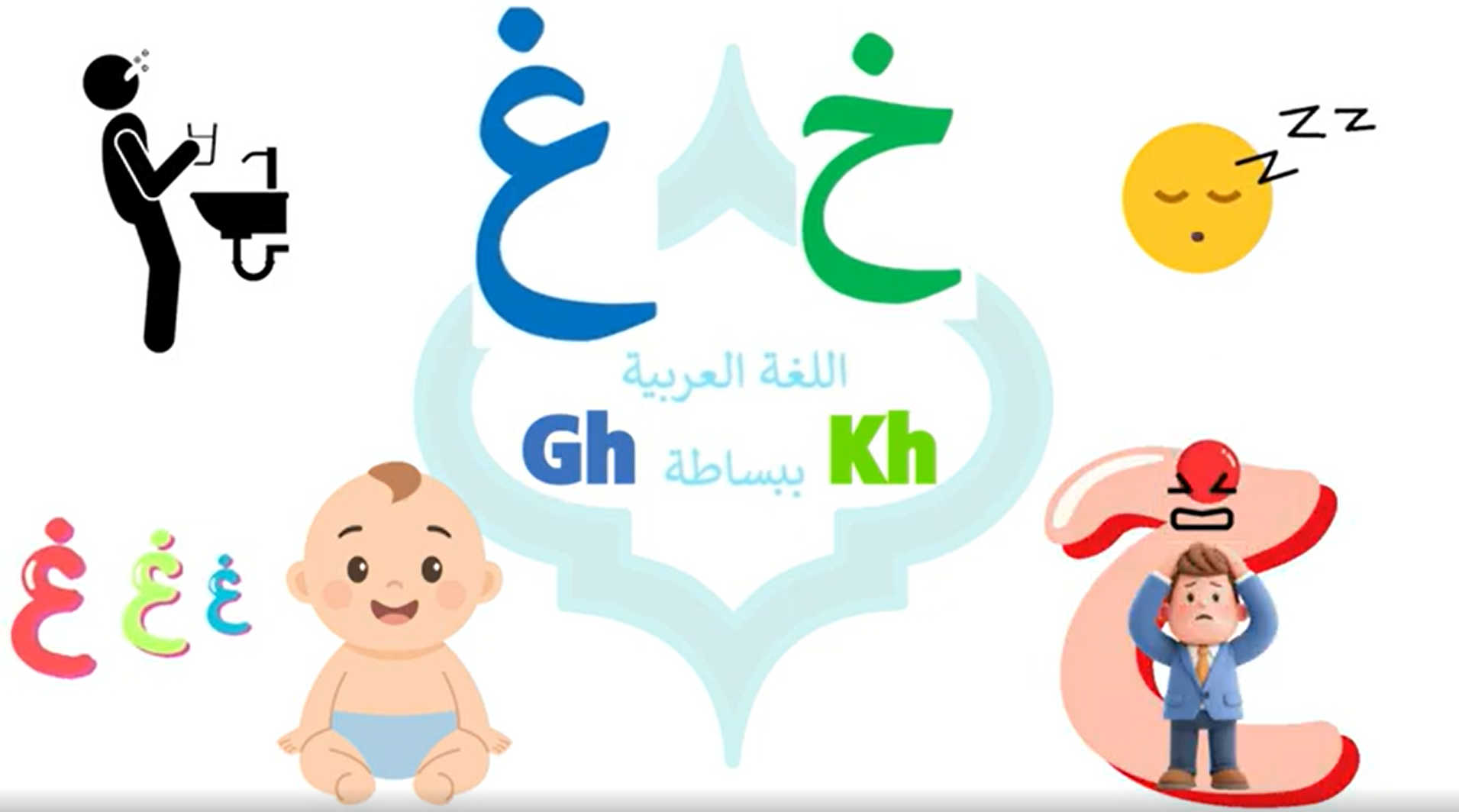
What is the difference between the letters Khāʾ (خ) and Ghayn (غ) in pronunciation?

Both letters are produced from the upper throat (closest to the mouth), but the letter Khāʾ (خ) is a voiceless sound (produced with a scraping sensation without vibrating the vocal cords), whereas the letter Ghayn (غ) is a voiced sound (produced with vocal cord vibration, similar to a soft gargling sound).

This video provides an audio explanation of the difference between the pronunciation of Khāʾ (خ) and Ghayn (غ). It demonstrates how mispronouncing or confusing these two upper-throat sounds can completely change the meaning of a word, along with practical exercises to help you master their correct articulation.