Islam Simply Series
Islam Simply Series: An Interactive Curriculum for Teaching Islamic Culture to Non-Native Arabic Speakers
Welcome to the official page of the "Islam Simply" series—your premier digital resource for enhancing Arabic listening comprehension and cultural literacy among international learners.
- About the Course
- Course Objectives
- How to Make the Most of This Course
"Islam Simply" is a specialized audiovisual educational series designed to develop Arabic listening comprehension skills for international students. The series introduces foundational aspects of Islamic faith and practice—topics frequently questioned by expatriate students and learners interested in gaining an objective understanding of Muslim customs, values, and core beliefs.
Target Language & Proficiency Level (ACTFL Standards)
- Proficiency Level: Carefully curated to suit Intermediate-level learners and above according to ACTFL international guidelines.
- Course Content: The series comprises 12 educational videos covering critical contemporary topics, including foundational theology, the Holy Quran, Islamic ethics, women in Islam, and the concept of Jihad.
- Field-Tested Pedagogy: Topics were directly sourced from real-world classroom inquiries. All videos and accompanying lesson plans have been thoroughly field-tested and validated in live sessions with international students.
References and Scholarly Methodology
To ensure maximum academic integrity, the series relies on authoritative scientific and jurisprudential references when addressing sensitive legal and doctrinal matters, such as:
- Islamic inheritance laws and estate distribution.
- The authentic concept of Jihad and its ethical regulations.
- Family law and contemporary jurisprudence (Fiqh).
By the end of this series, learners will achieve the following instructional outcomes:
- Vocabulary Acquisition: Comprehend and naturally utilize advanced vocabulary and syntactic structures related to Islamic culture.
- Linguistic Precision: Articulate core tenets of Islamic faith using precise and accurate terminology.
- Cultural Awareness: Distinguish between practices strictly rooted in religion and those arising from diverse cultural or regional influences.
- Effective Communication: Confidently address inquiries and clarify misconceptions raised by other non-Muslims or foreigners.
- Analytical Skills: Contextualize and explain everyday behaviors and social practices of Muslims in real life.
- Comparative Analysis: Identify key similarities and differences between Islamic culture and other global civilizations.
- Cultural Sensitivity: Accurately gauge and develop their position on the global Cultural Sensitivity Index.
Arabic instructors and self-directed learners can implement these strategic steps to achieve optimal results either in the classroom or through independent study:
- Preview & Predict: Read the video title first; anticipate the primary themes and subtopics that will be discussed.
- First Viewing (Gist): Watch the entire video uninterrupted without subtitles. Note down or discuss the overarching ideas you captured.
- Second Viewing (Detailed Analysis): Re-watch the video, pausing at each new slide or segment to dissect and discuss its specific concepts.
- Third Viewing (Language Focus): Focus on extracting ne
- vocabulary and expressions. Practice deducing meanings from context, and analyze morphological word roots (Juthour) and their inflections.
- Fourth Viewing (Verification): Turn on the subtitles to verify your linguistic and conceptual comprehension.
- Productive Output: Actively discuss the themes and express your personal perspective, making a conscious effort to incorporate the newly acquired vocabulary and structures.
- Classroom Activity: Conduct a structured debate on an issue tied directly to the video's core theme.
- Real-World Application: Launch an intercultural understanding initiative aimed at promoting mutual respect, empathy, and peaceful coexistence.

Lessons
1. What is Islam, and what do Muslims believe?
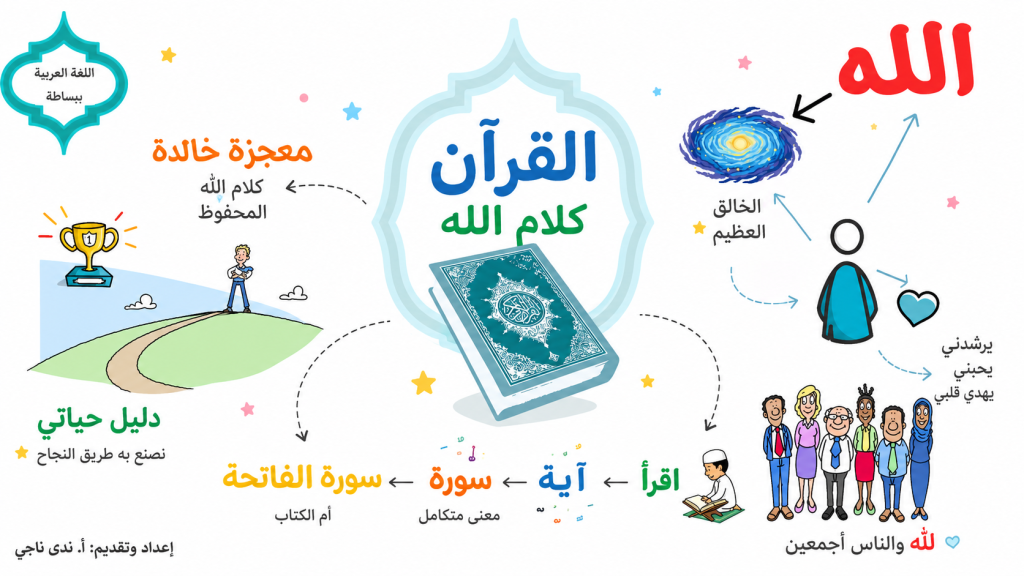
What is Islam? What do Muslims believe? What are the main themes of the Qur’an?
This video answers many common questions about Islam and Muslims, including: What do Muslims believe? What is the Qur’an? What does the Qur’an talk about? Who is Muhammad? And what is the meaning of Tawḥīd (the Oneness of God)?
These are among the most frequently asked questions by foreign learners and non-Muslims who want to understand Islam. The video presents the answers in clear, simple language, making it a valuable listening resource for both teachers and learners.
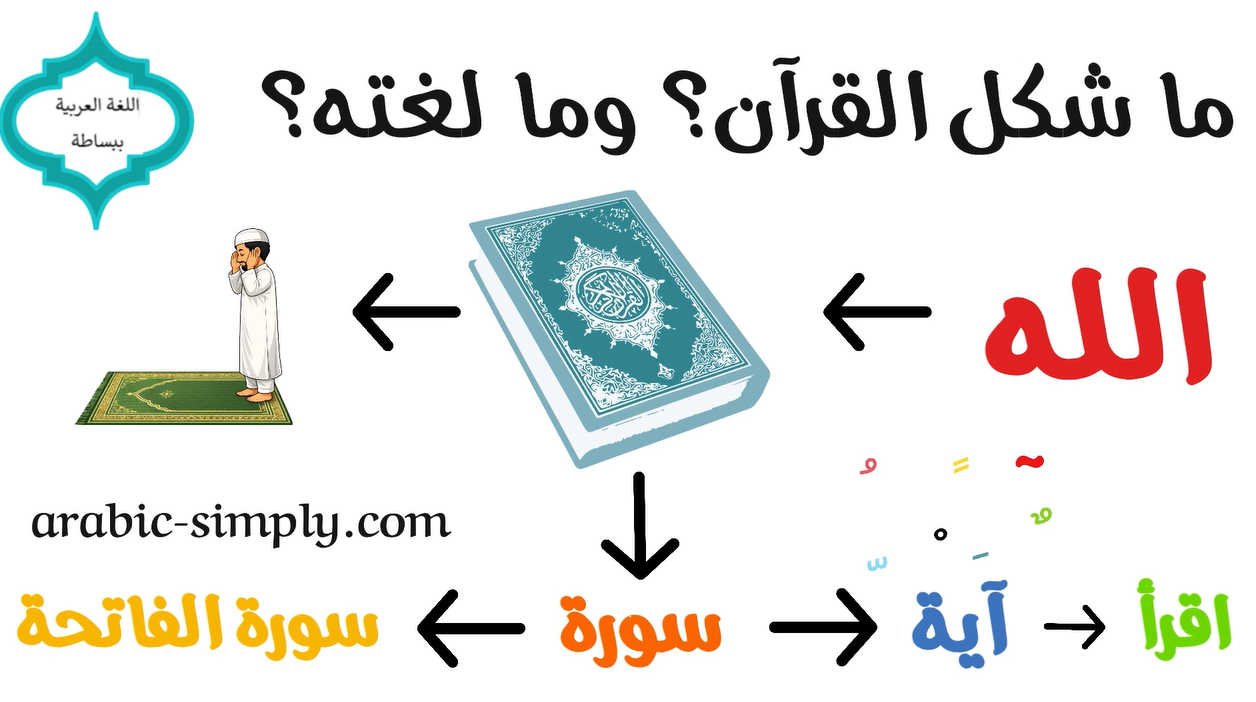
2. What is the Quran, its structure, and its language?
Have you ever wondered what the Qur’an looks like? Why do Muslims recite it specifically in Arabic?
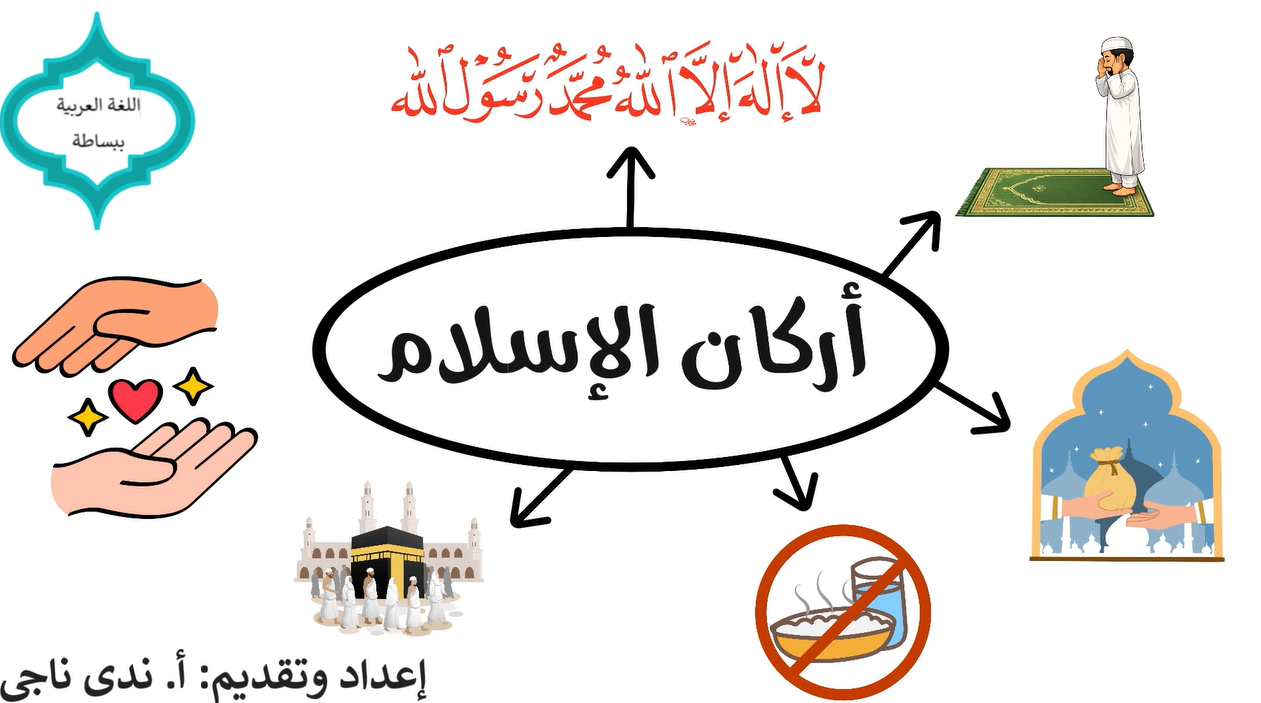
3. How to become a Muslim? The Pillars of Islam for Arabic learner
In this new episode of the “Islam Simply” series, we provide Arabic language learners with a clear and objective explanation of the Five Pillars of Islam.
This video is more than just a cultural lesson—it is an educational listening resource designed to help you learn Arabic by introducing key religious and social concepts in clear, simplified Modern Standard Arabic.
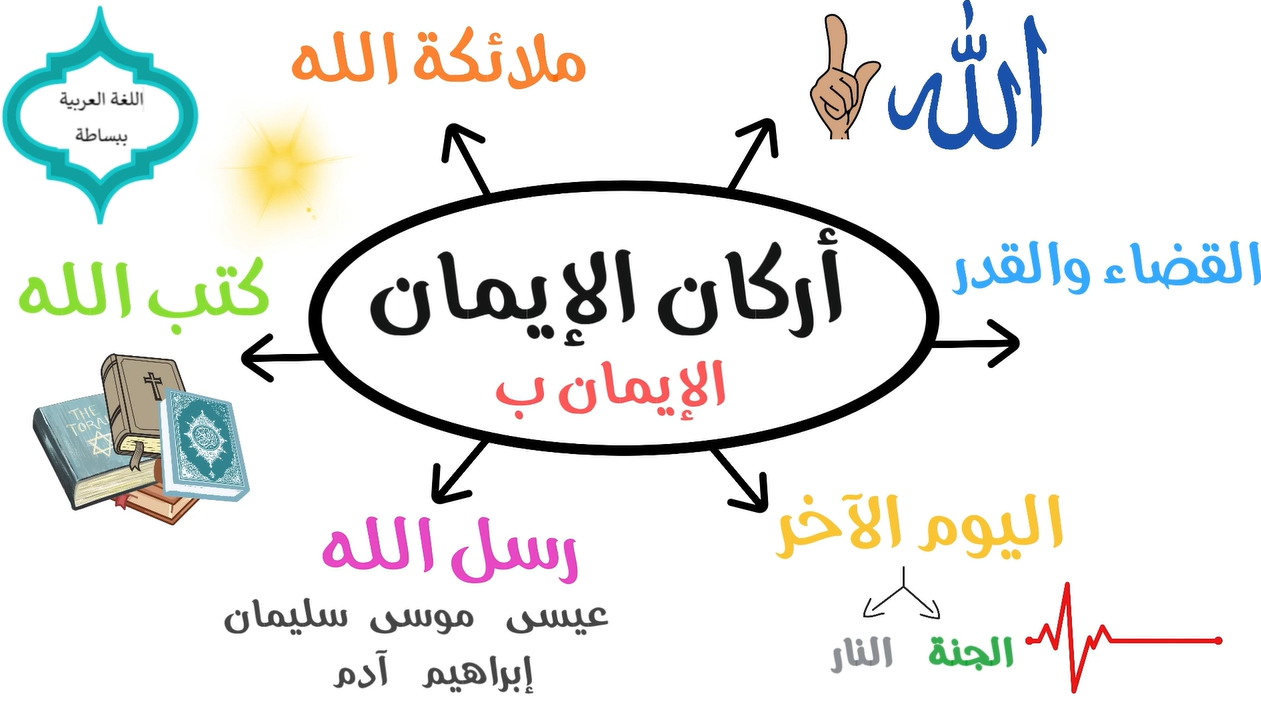
4. Do Muslims Believe in Jesus? The 6 Pillars of Faith Explained
Have you ever wondered what Islam has in common with the other Abrahamic religions? What are the six pillars of faith that every Muslim must believe in?
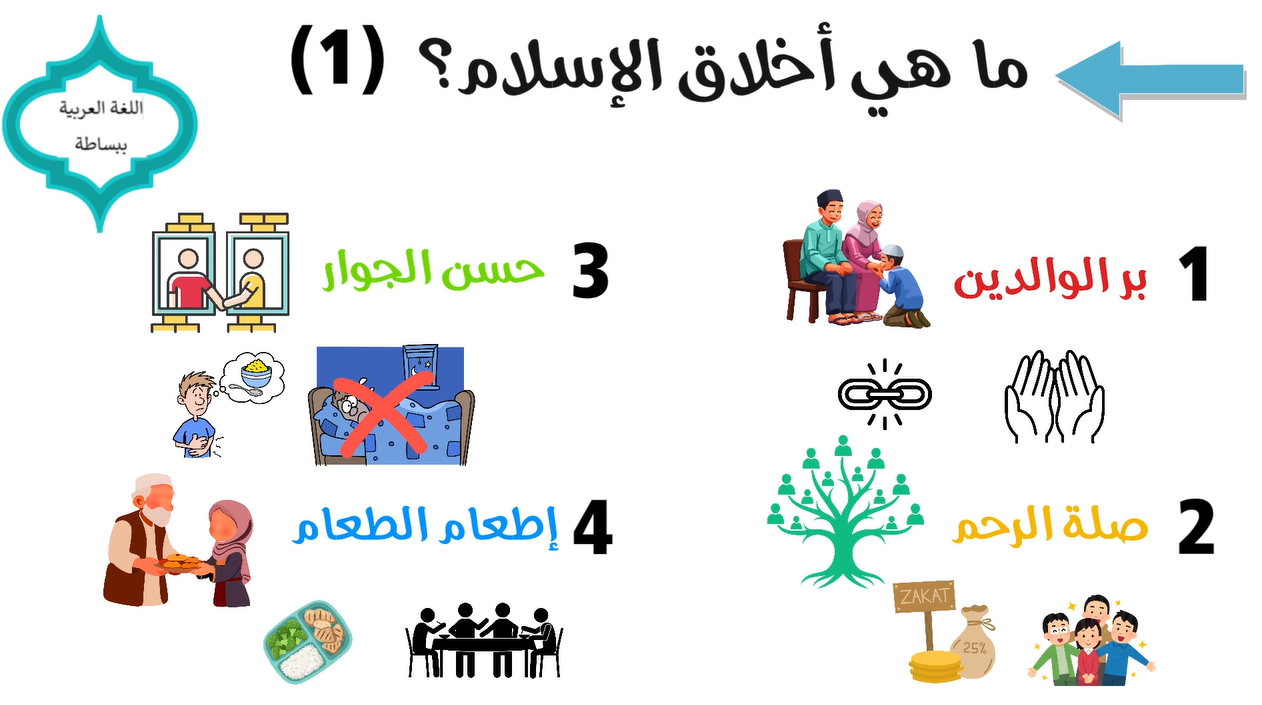
5. What are Islamic Ethics? part 1
🕊️ In this episode of the “Islam Simply” series, we explore the essence of Islamic ethics.
Using clear, simplified Arabic, you’ll learn how Islam promotes the values of kindness, compassion, and peace—not only in relationships with other people, but also in the way we treat animals and the environment.
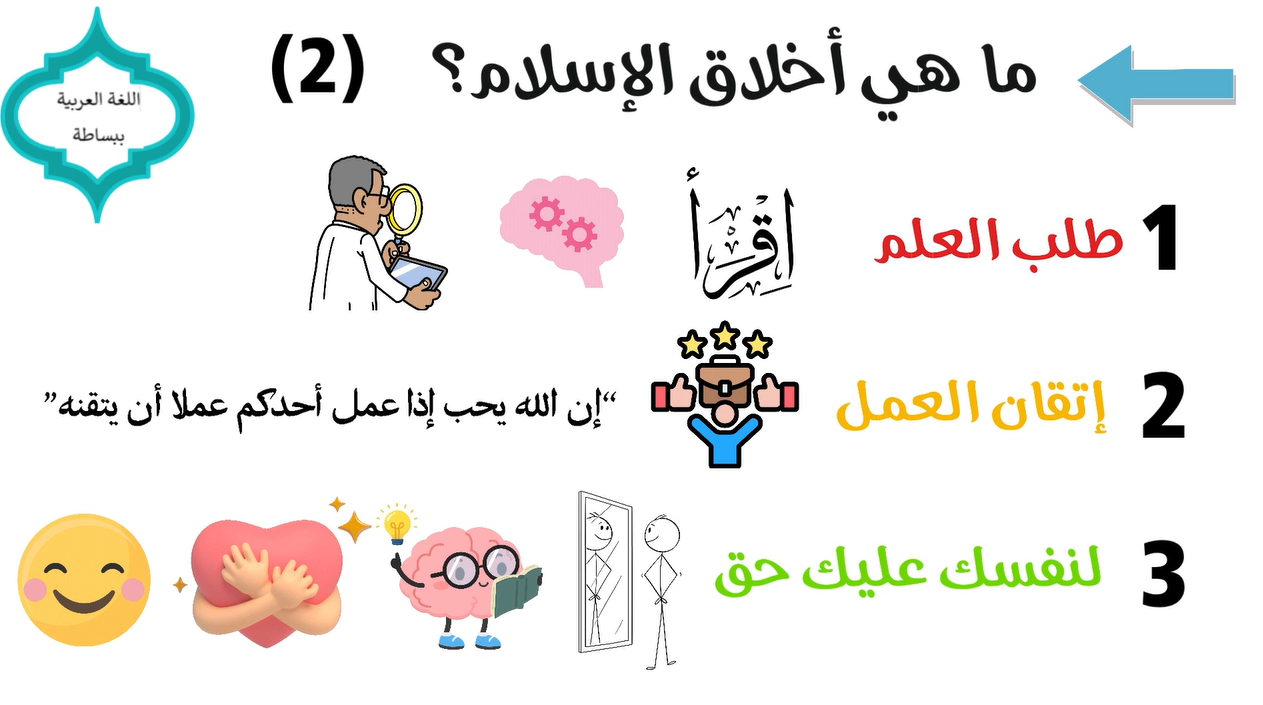
6. What are Islamic Ethics? part 2
In this sixth episode of the “Islam Simply” series, we shift from social ethics to personal values.
You’ll discover the importance of knowledge in Islam, why work is considered a form of worship, and how Islam teaches self-discipline and modesty. Designed in clear, simple Arabic, this video is ideal for Arabic language learners and anyone interested in understanding the core values of Islam.
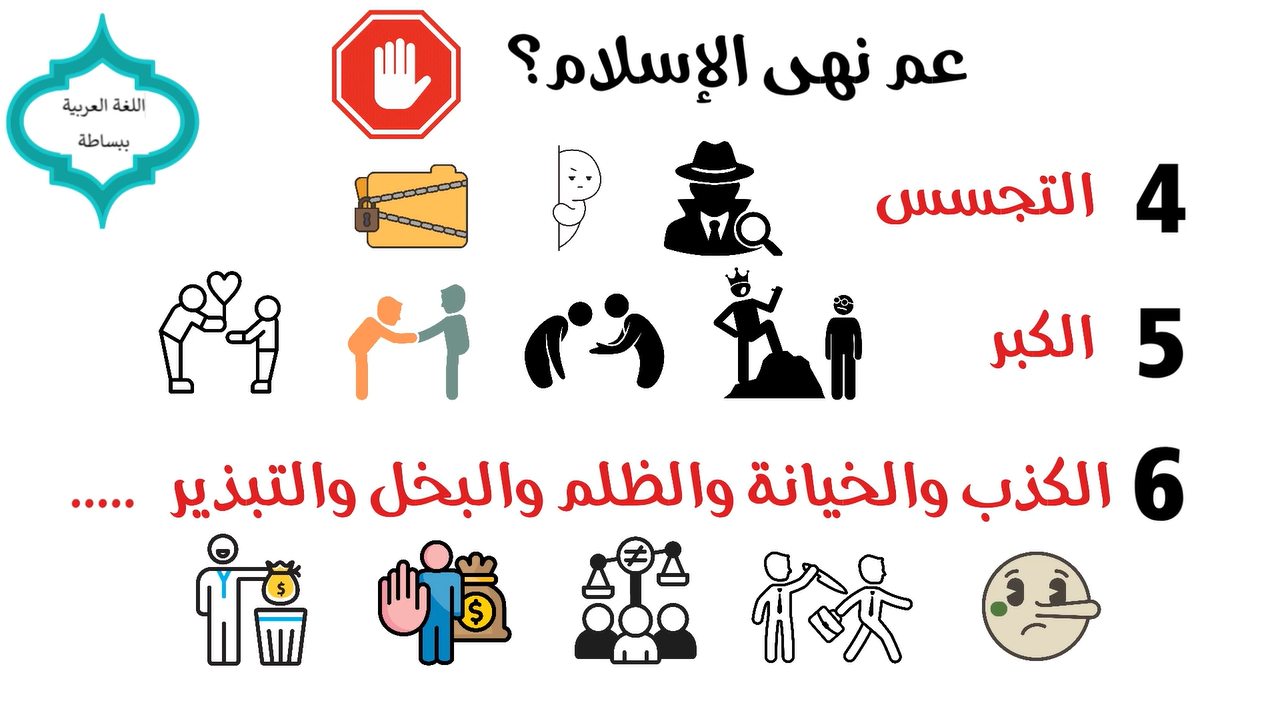
7. Forbidden Ethics in Islam
In this episode of the “Islam Simply” series, we explore another aspect of Islamic ethics: prohibited behaviors.
You’ll learn about the negative moral traits that Islam discourages because of their harmful effects on individuals and society, such as backbiting, gossip, and bullying. Presented in clear, simple Arabic, this episode is ideal for beginners learning Arabic and for anyone seeking to understand the authentic values of Islam.
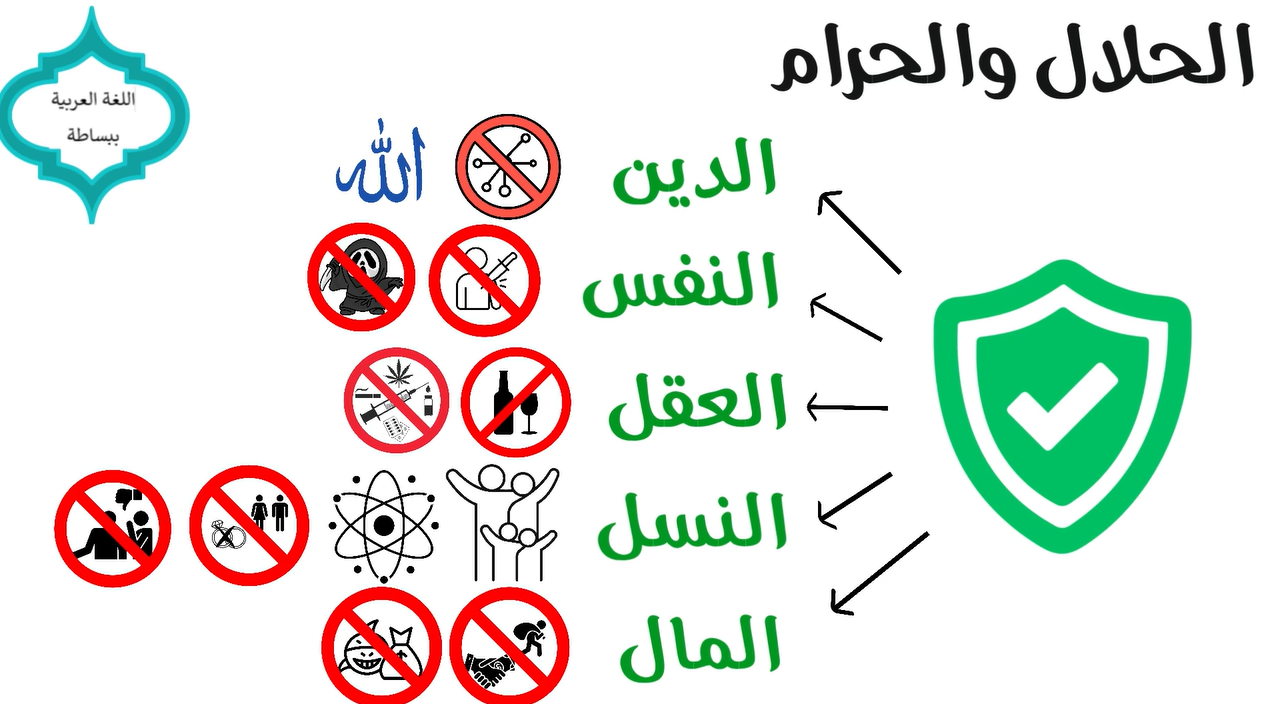
8. Halal and Haram in Islam
“Does Islam prevent us from enjoying life? Or is there a deeper wisdom behind every ruling?” ⚖️✨
Many people assume that Islamic teachings are simply a list of prohibitions. The surprising reality, however, is quite the opposite.
In this episode of the “Islam Simply” series, we uncover the true philosophy behind Islamic law and explain how the fundamental principle in Islam is that everything is permissible unless there is evidence to the contrary—a principle that reflects freedom, balance, and wisdom.
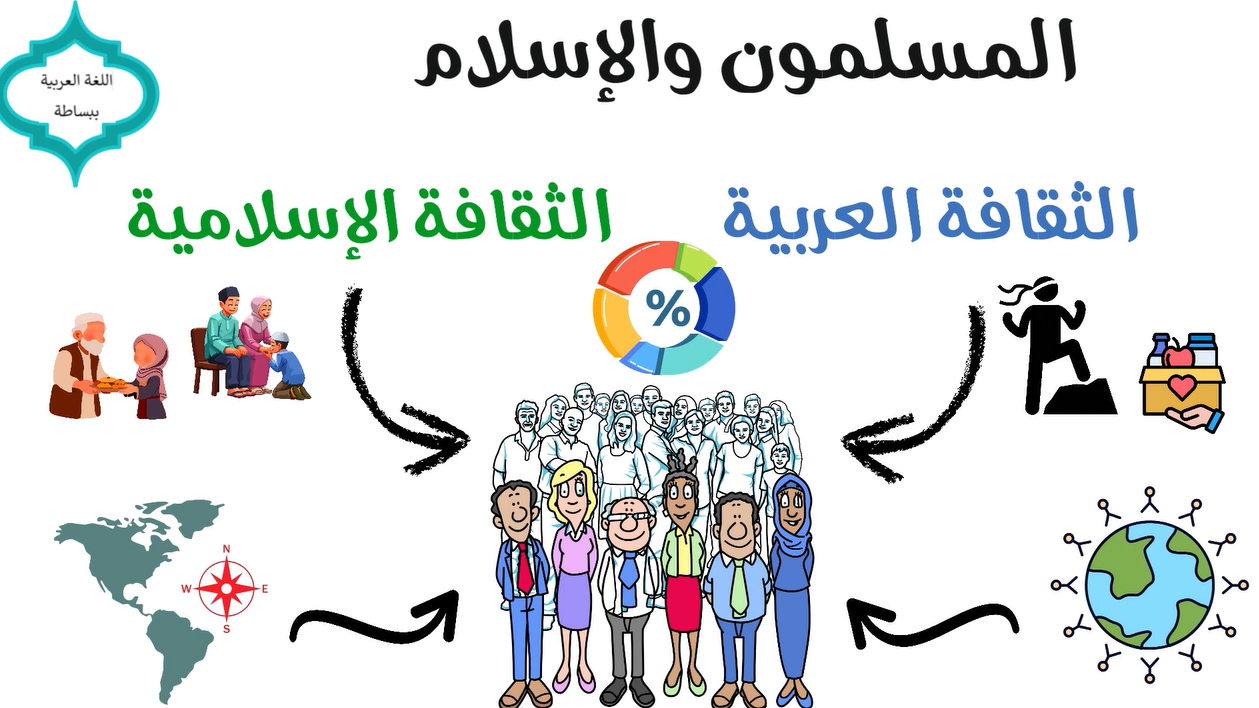
9. Do Muslims Follow Islam?
In this thought-provoking episode of the “Islam Simply” series, we explore one of the most frequently asked and often misunderstood questions: How closely do Muslims follow the teachings of their faith?
We examine the important distinction between a Muslim by birth and a Muslim by personal conviction, and explain how levels of religious commitment naturally vary among people in every faith around the world.
In this video, you’ll learn about the different levels of religious practice commonly found in Arab and Muslim societies—from those who are committed to their faith, to those with rigid interpretations, and those who misinterpret religious texts to support their own views. We also explain why the negative actions of some individuals should never be taken as a reflection of the true values and ethics of Islam.
The episode also explores the complex relationship between Arab culture and Islamic culture, showing how long-standing traditions—such as honoring one’s parents and valuing courage—interact with broader global and cultural influences in contemporary societies.
Watch the full episode to gain a deeper understanding of this cultural and religious landscape, and stay until the end as we introduce one of the most widely discussed topics in the series: women’s rights in Islam.
10. Women's Rights in Islam
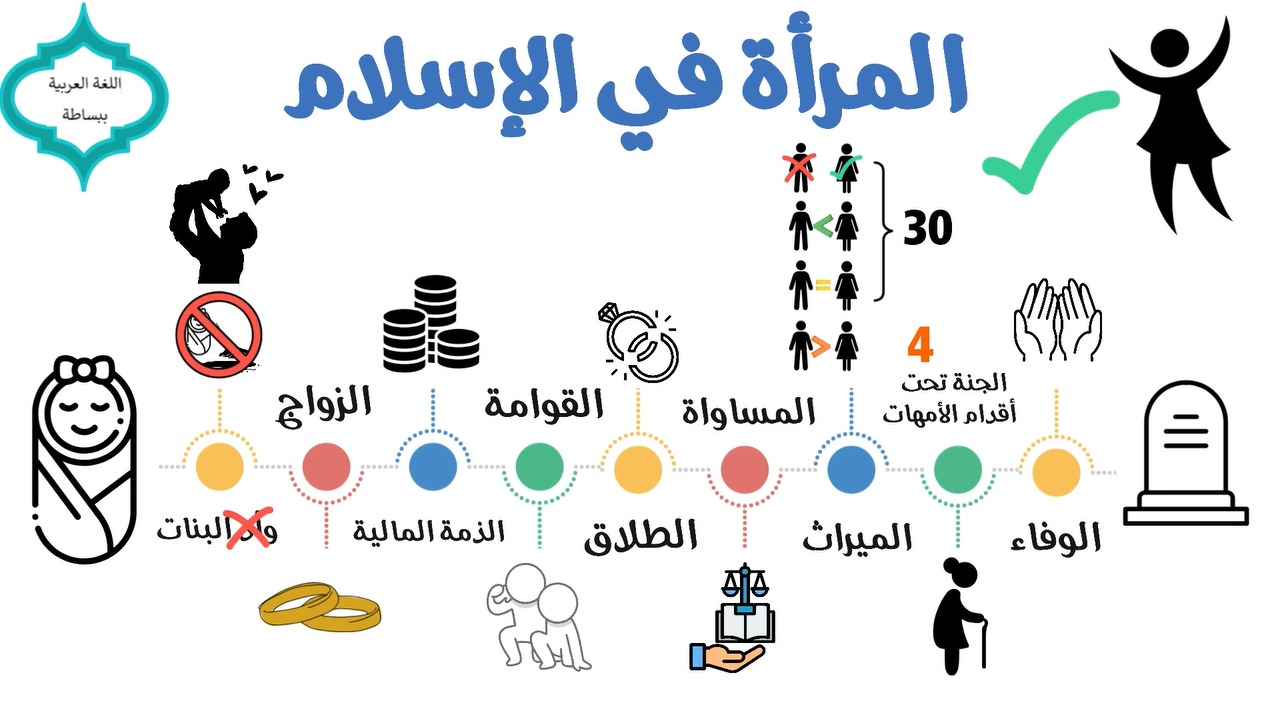
⚖️✨ In this highly anticipated episode of the “Islam Simply” series, we explore one of the most widely discussed and debated topics in the world: women’s rights in Islamic law.
We journey back to the Arabian Peninsula and ancient civilizations to examine the historical status of women and how, according to the Islamic perspective, Islam introduced legal rights and protections for women from birth throughout every stage of life.
In this video, we discuss the broad range of rights that Islam grants to women, including the right to choose a spouse, the right to an independent dowry (mahr), financial independence, and the right to education, employment, and public service. We also examine the often misunderstood topic of inheritance, explaining that Islamic inheritance laws vary according to family relationships and responsibilities, and that in many cases a woman inherits the same as—or even more than—a man.
Watch the episode to gain a clearer understanding of the concept of qiwāmah, presented as a responsibility of care, protection, and support entrusted to men rather than a privilege of superiority. You’ll also learn why the Prophet Muhammad ﷺ emphasized the importance of treating women with kindness, making good treatment of women a sign of strong faith, and why among his final pieces of advice was: “Treat women well.”
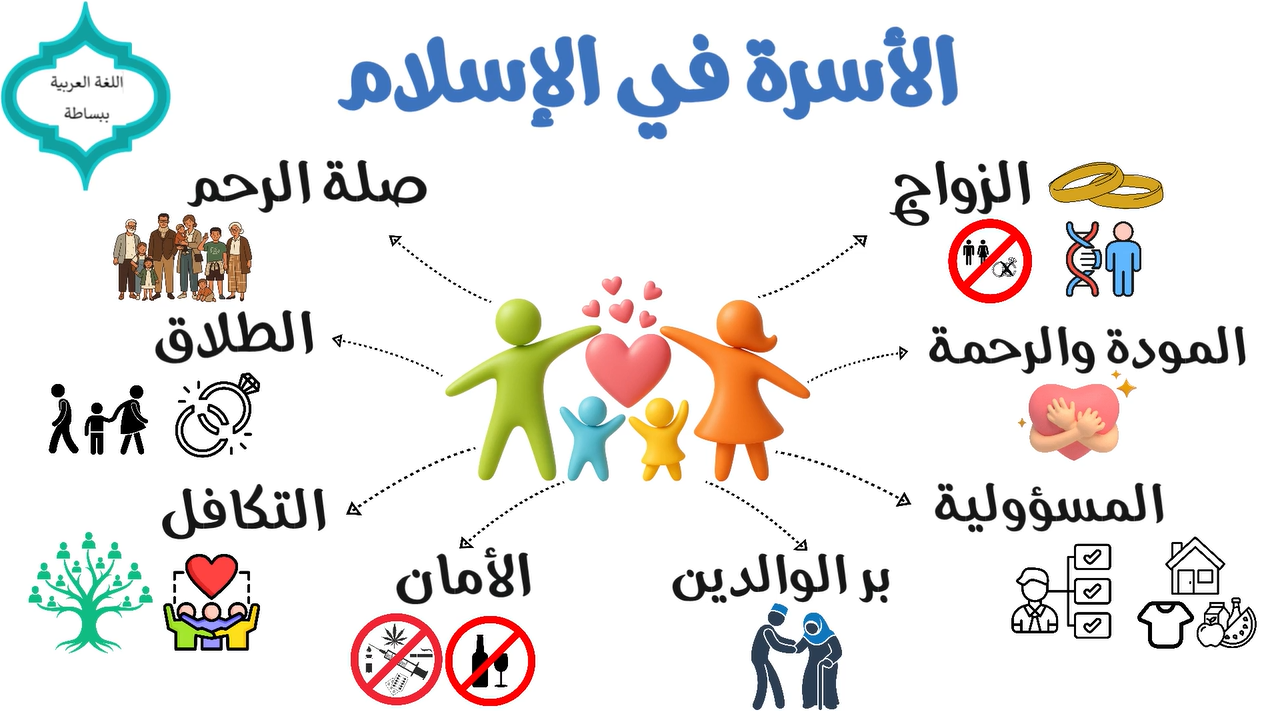
11. The Value of Family in Islam
What is the role of the family in Islam? How does Islamic law seek to protect the family through a comprehensive legal and ethical framework?
In this video, we explore the heart of Arab and Islamic culture to discover how Islam views the family as the fundamental building block of a healthy, stable, and successful society.
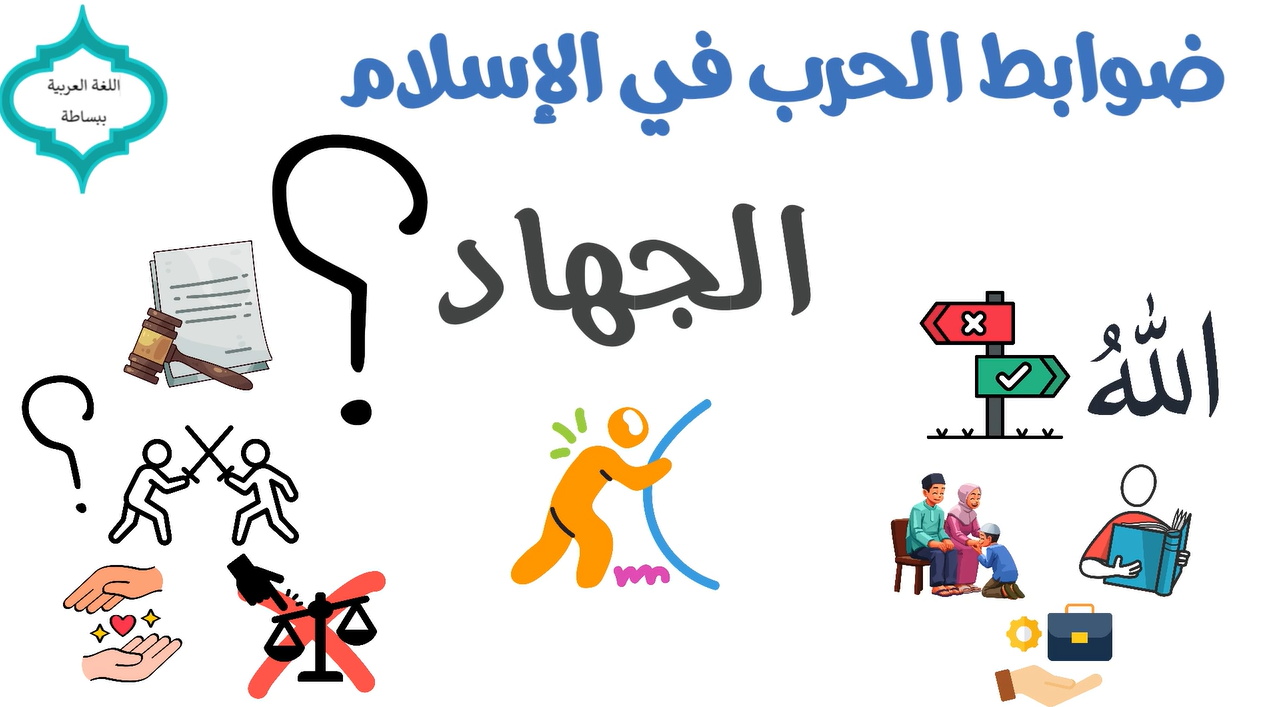
12. Rules and Conditions of War in Islam
What are the rules and conditions governing war in Islam? How does Islam address the misconceptions associated with Islamophobia—the belief that Islam promotes violence?