


- About the Course
- Course Objectives
- How to Make the Most of This Course
About the Course
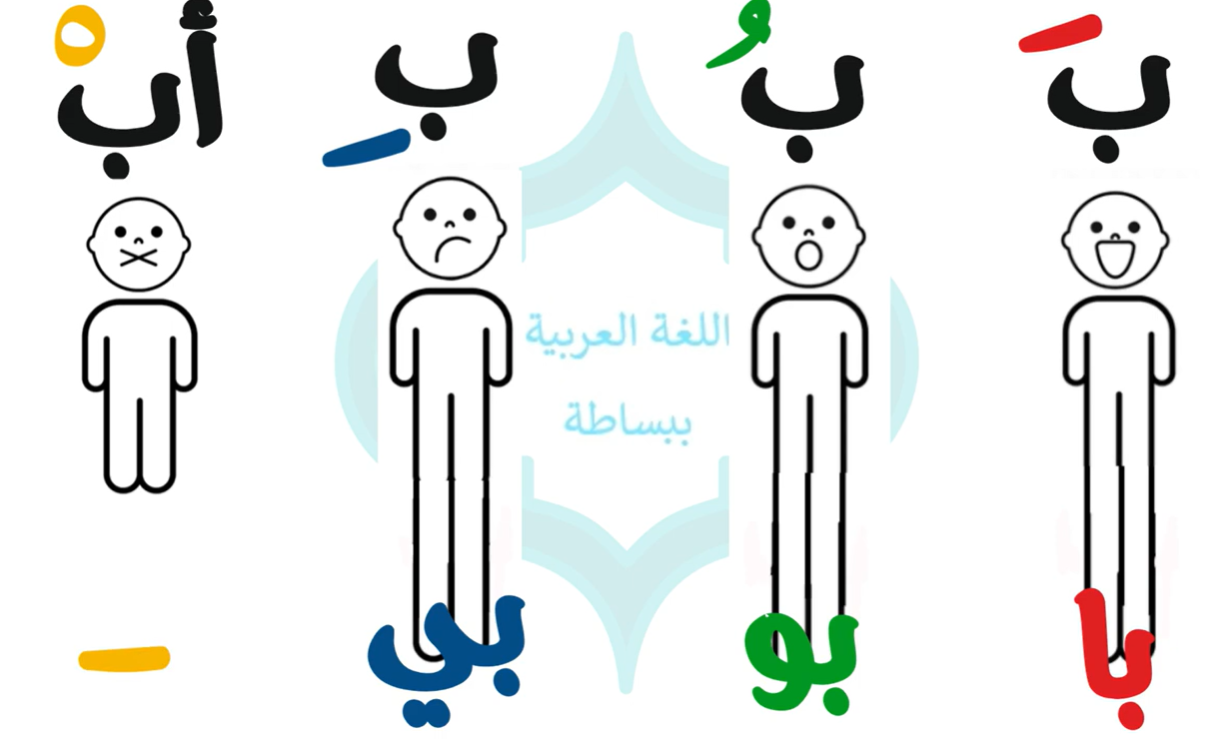
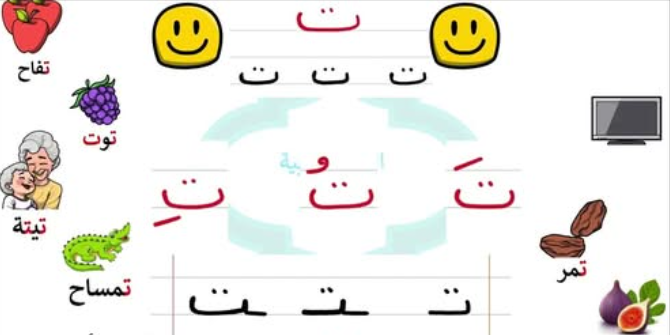
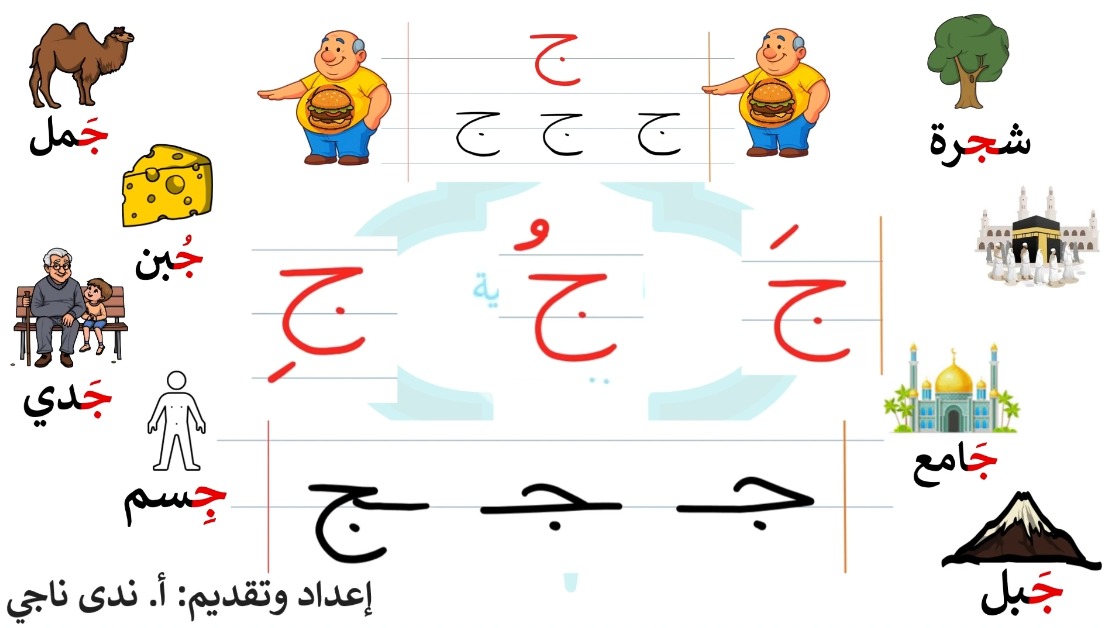
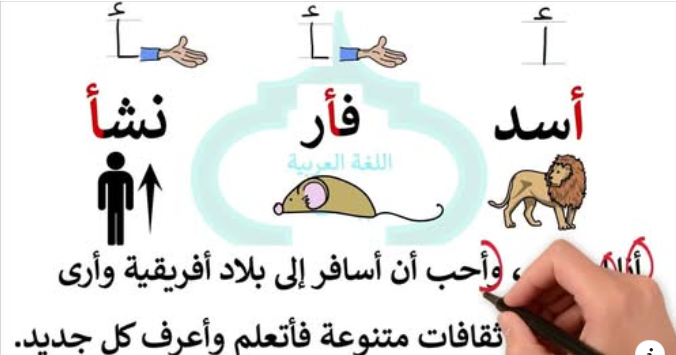
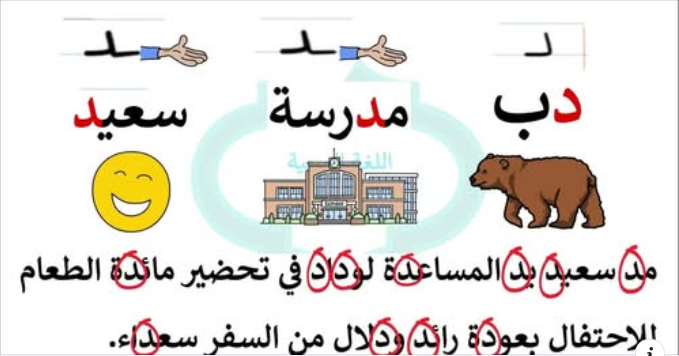
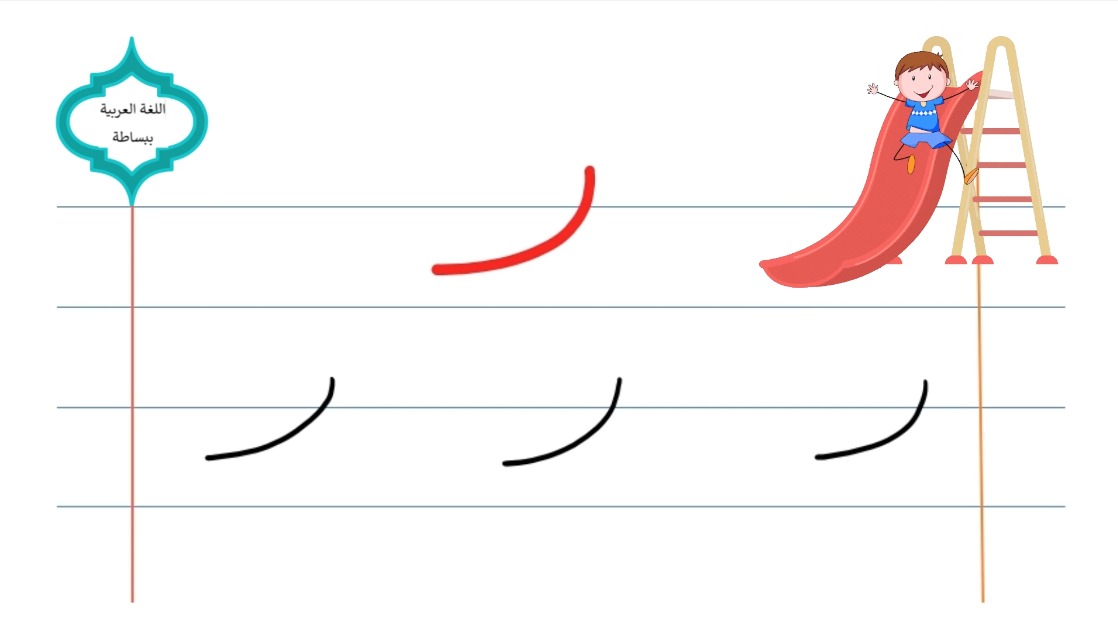
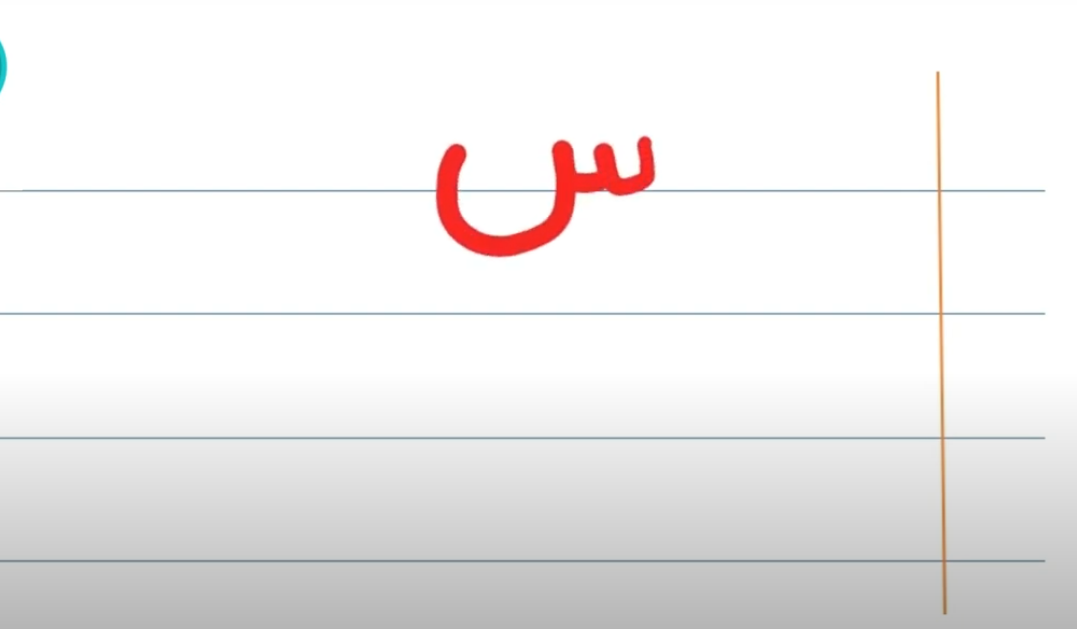
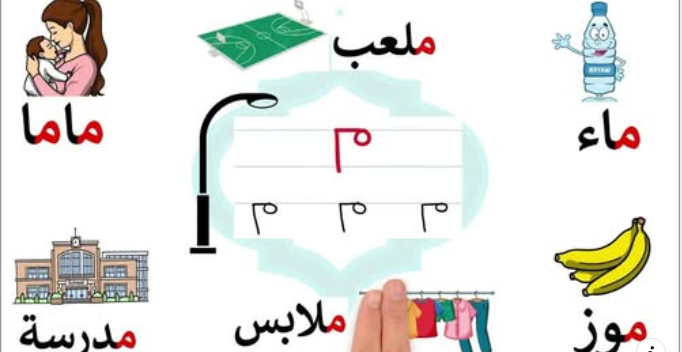
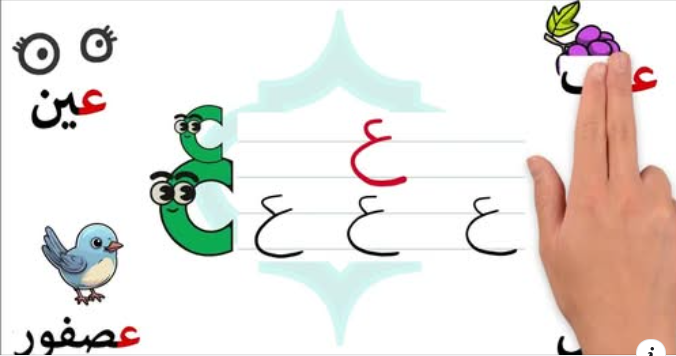
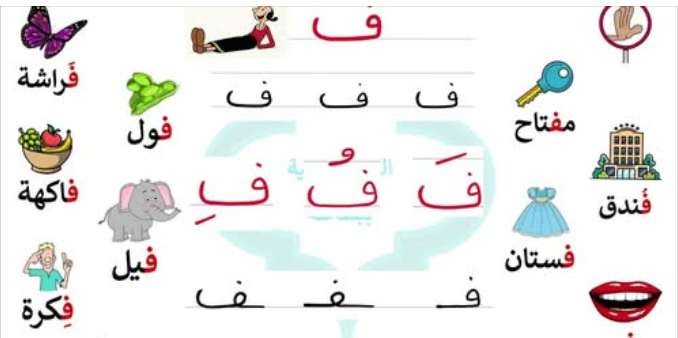
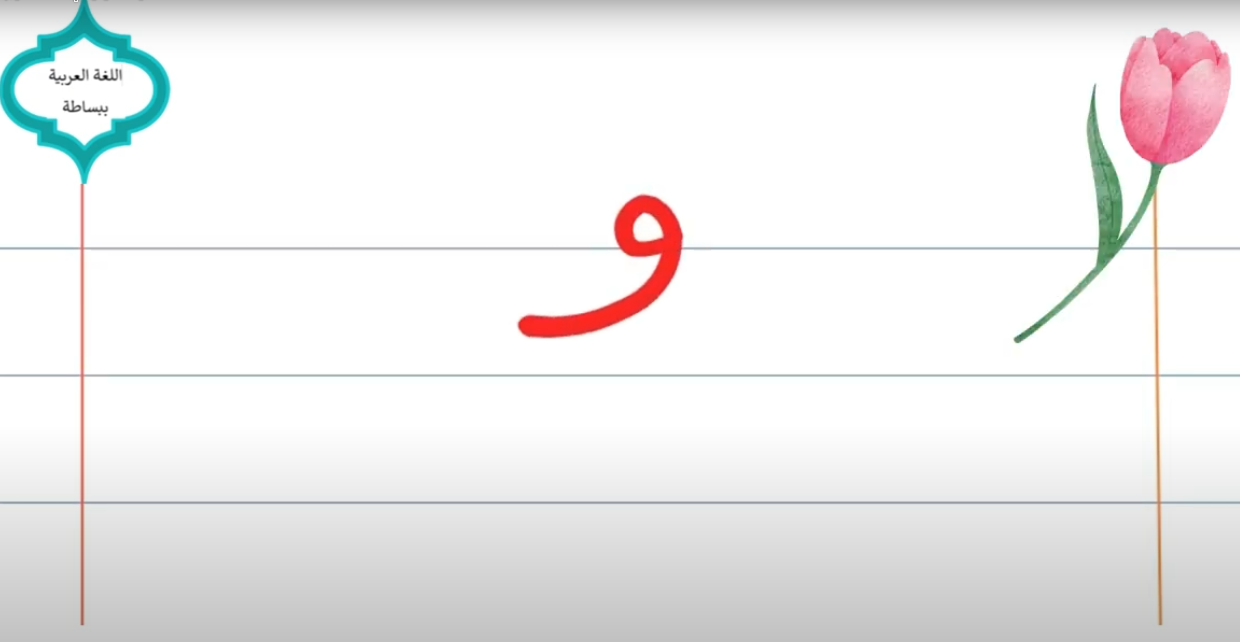
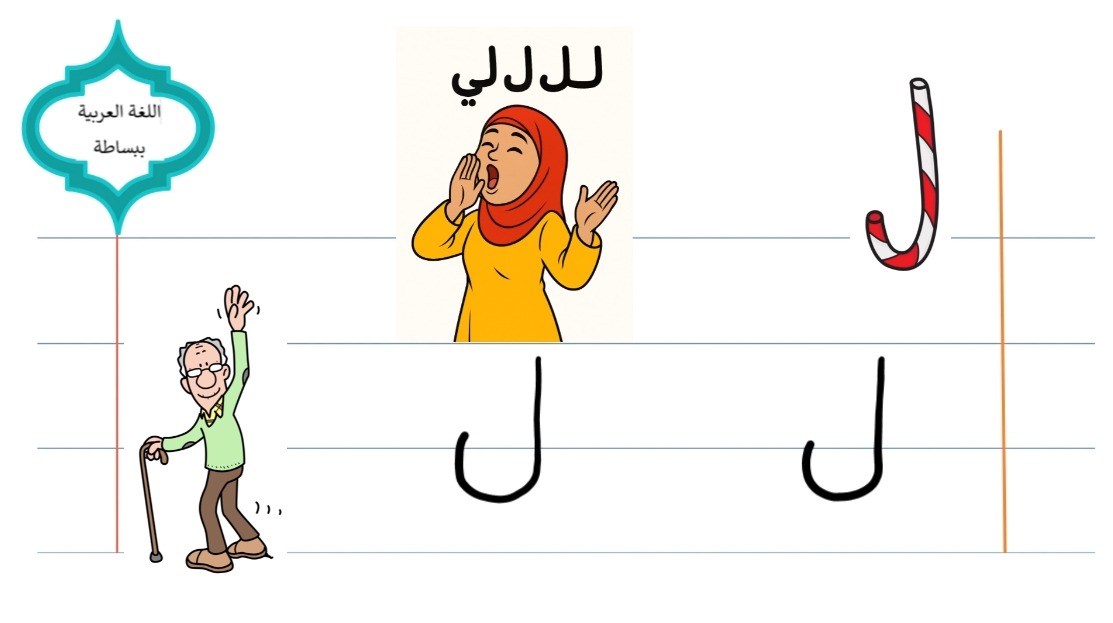
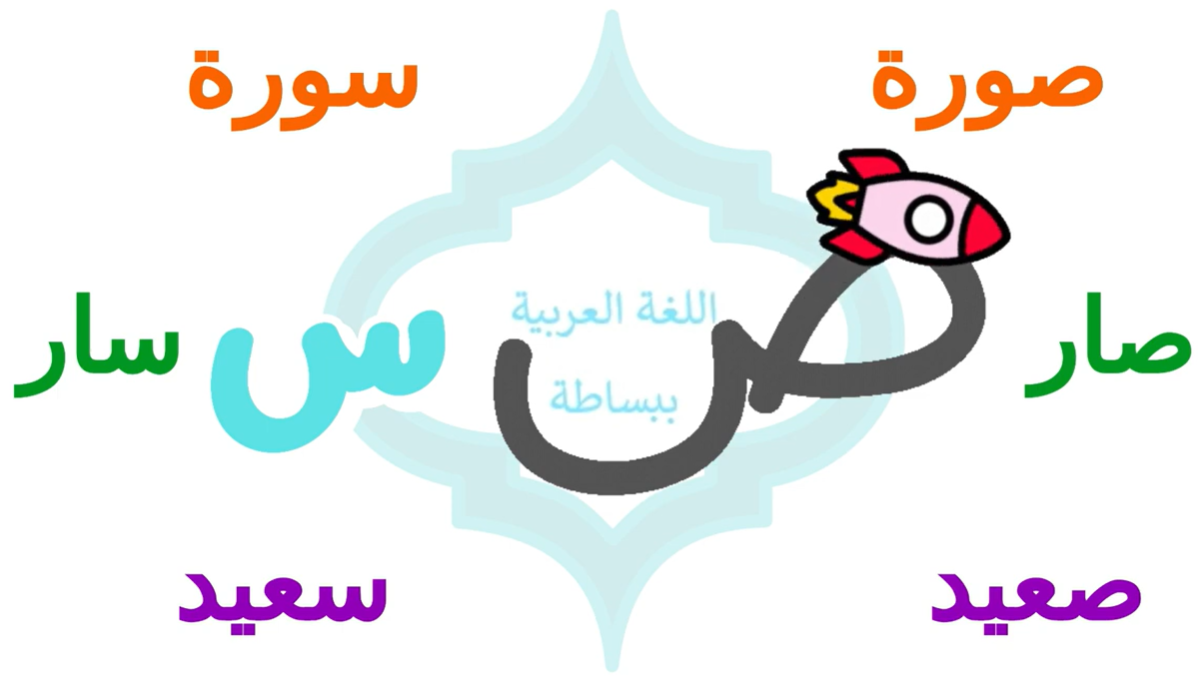
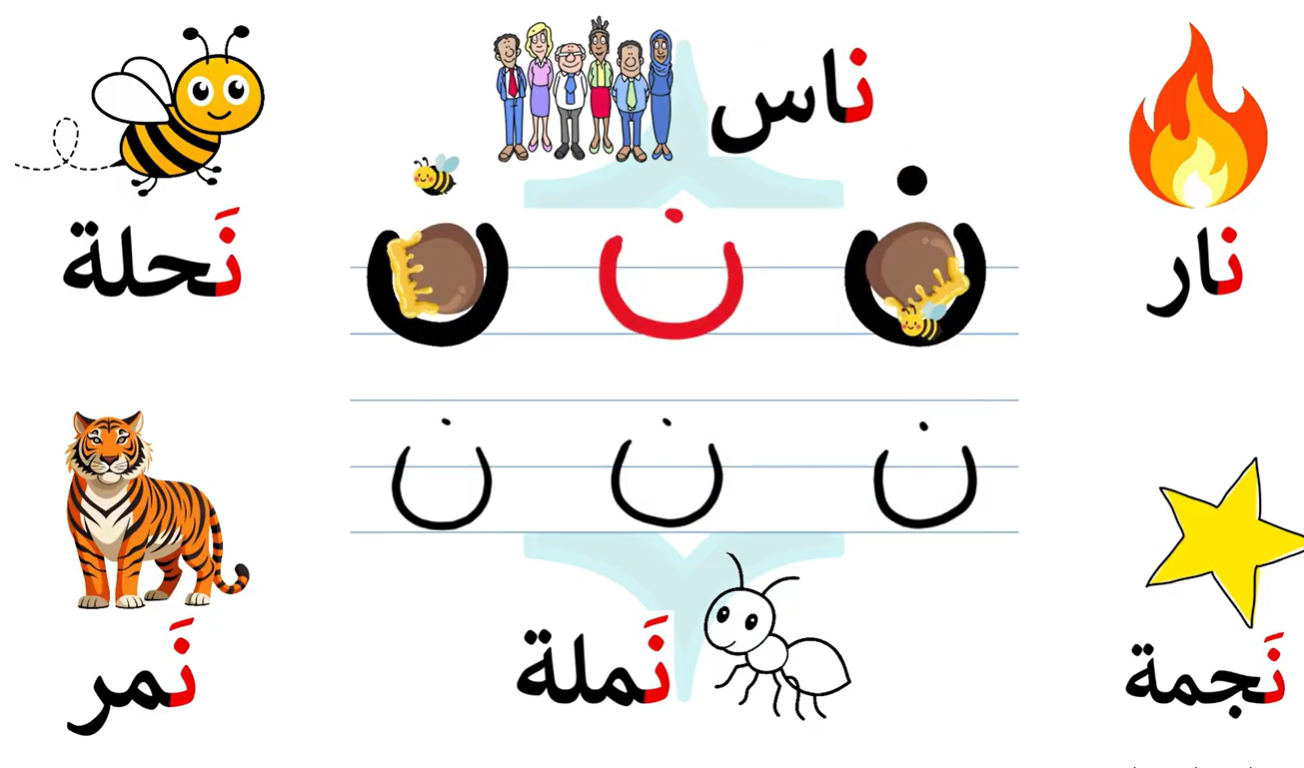
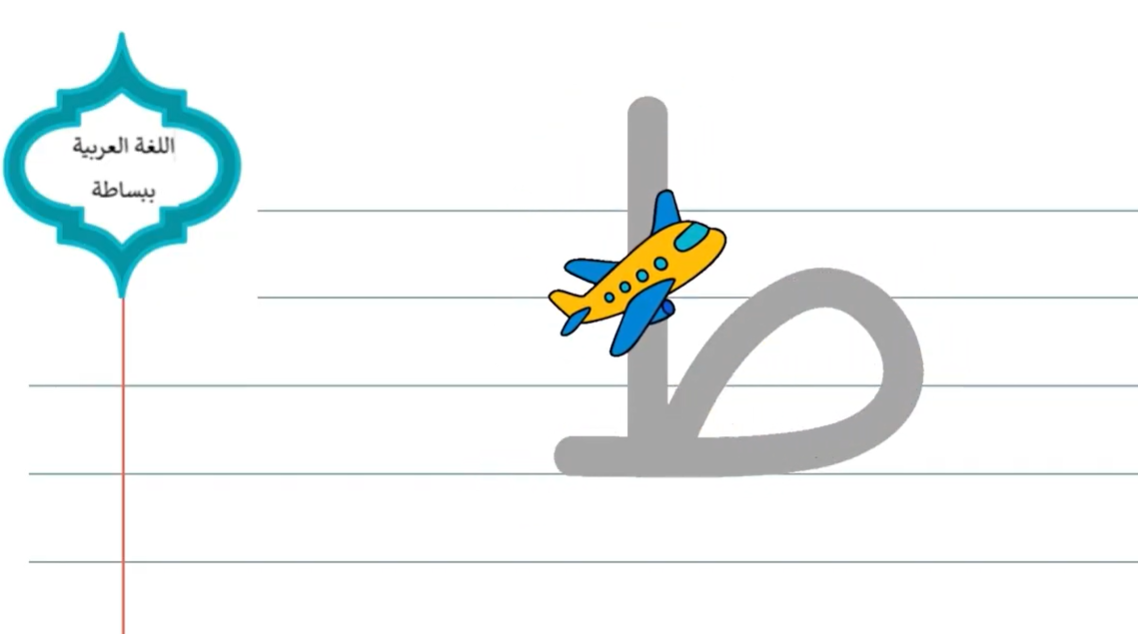
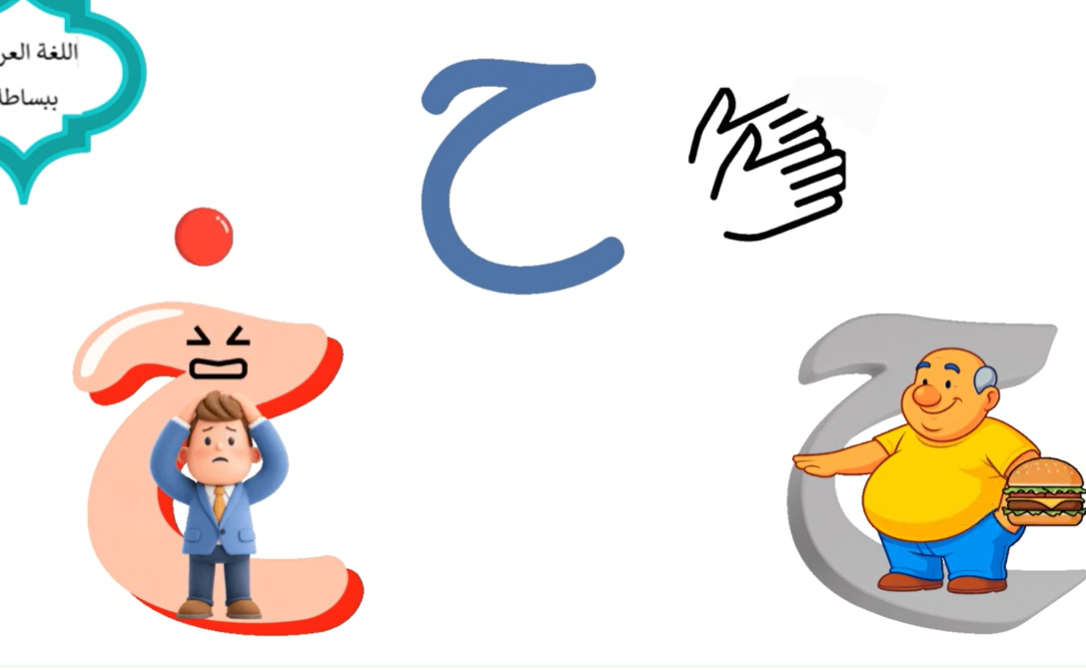
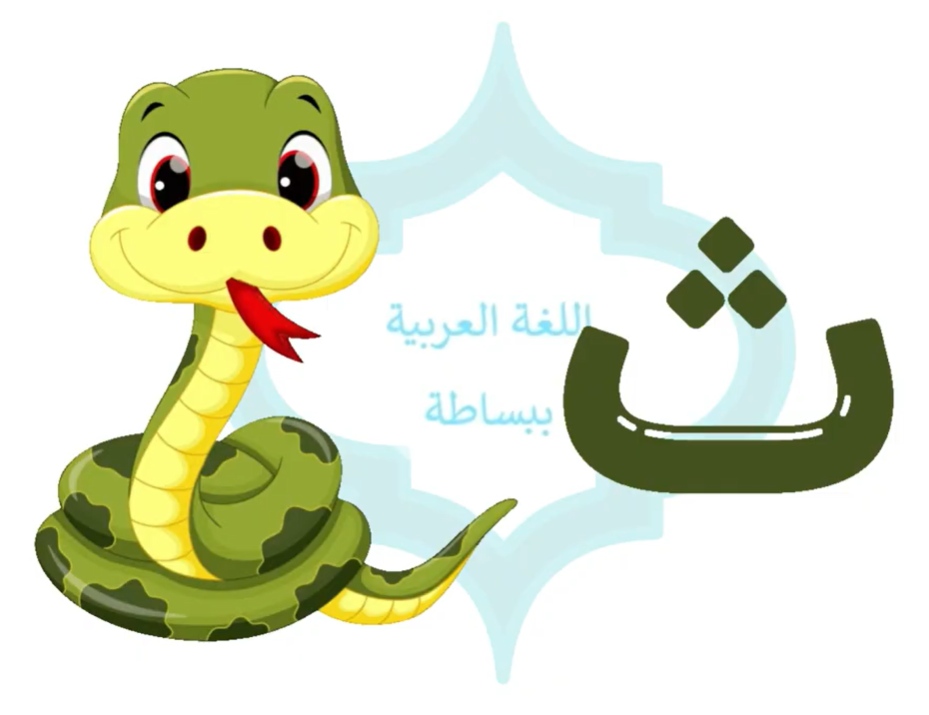
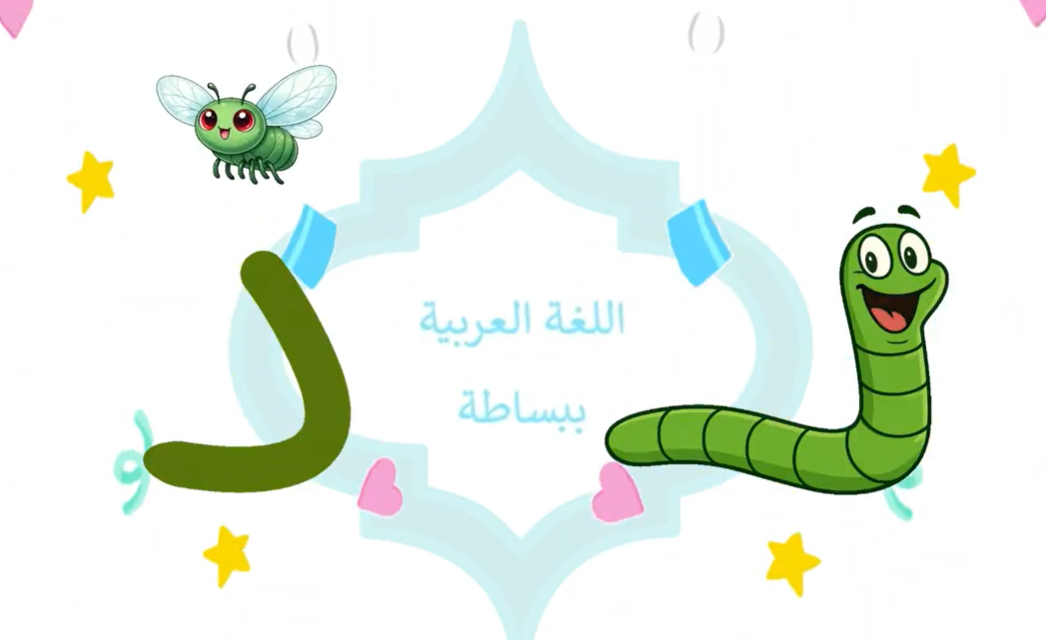
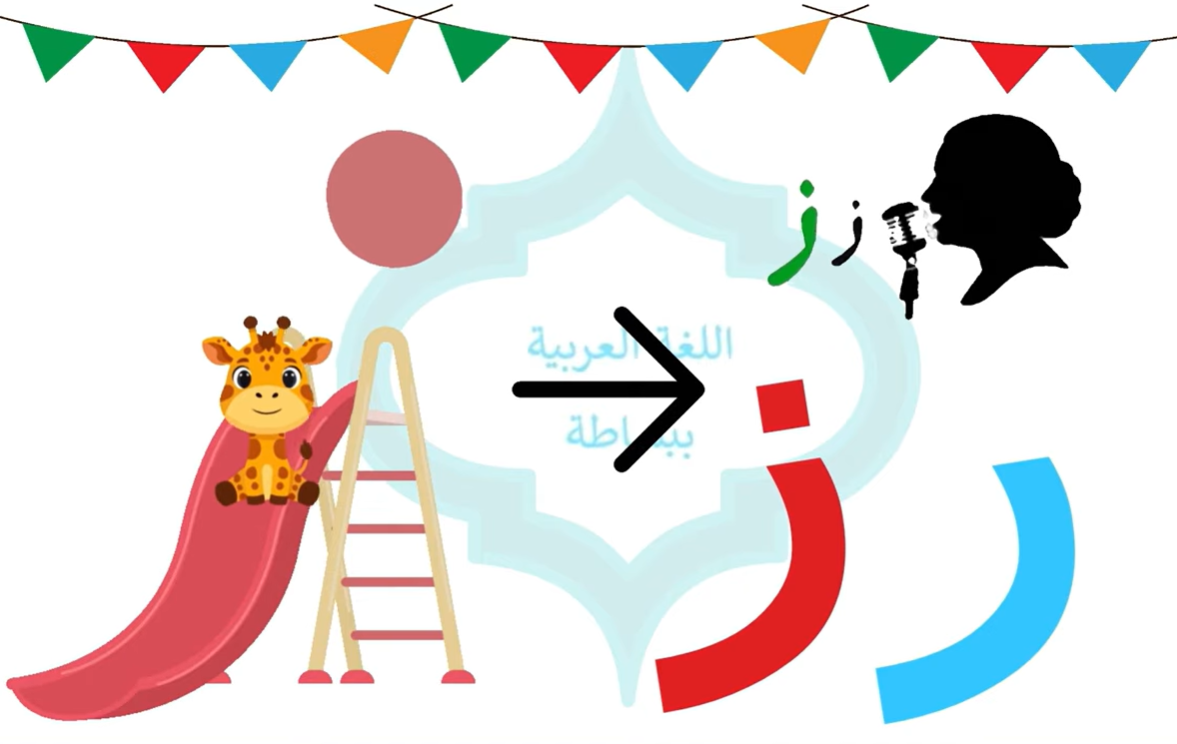
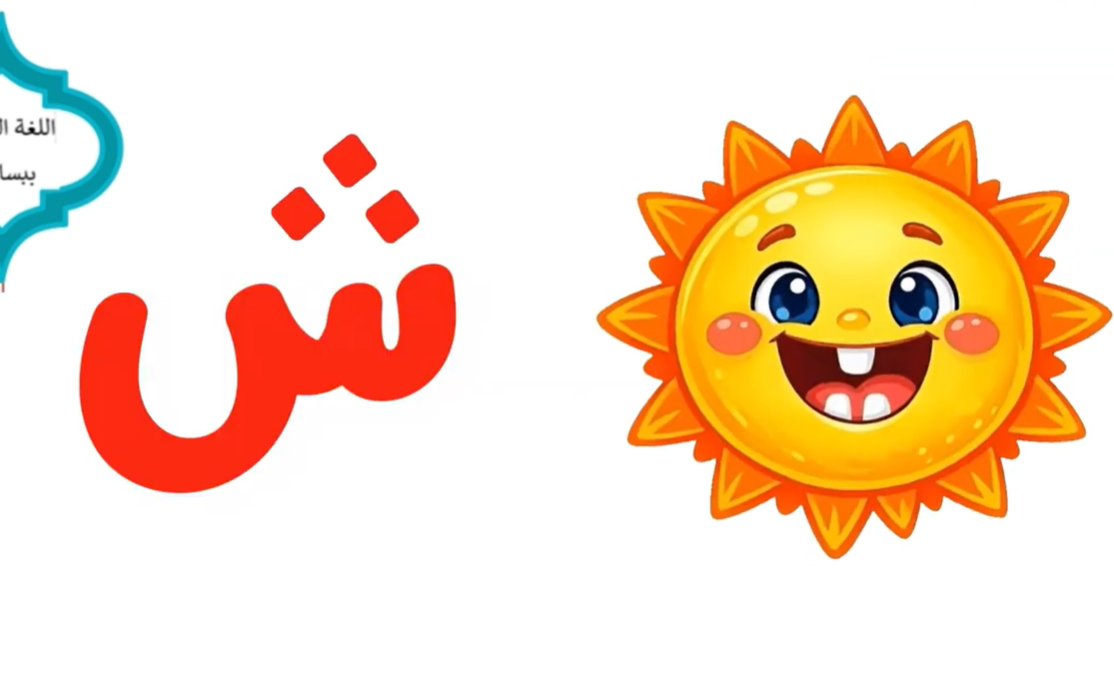
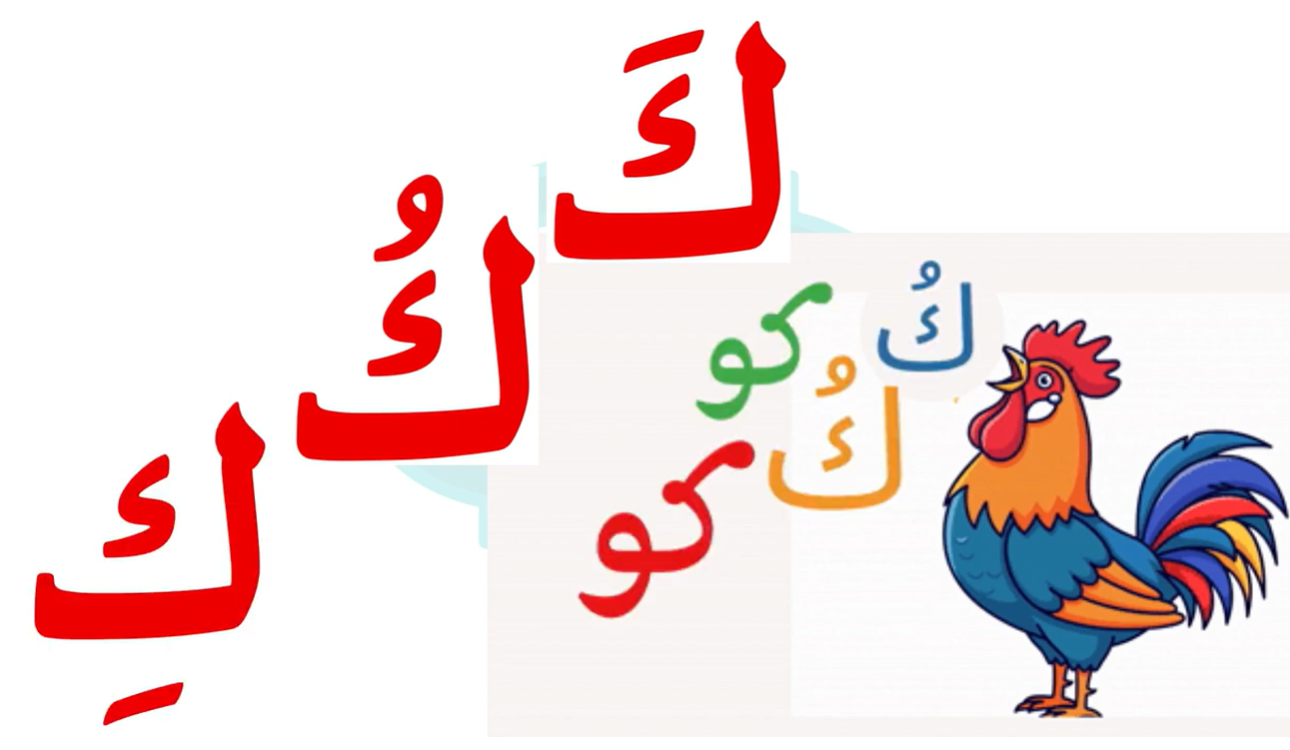
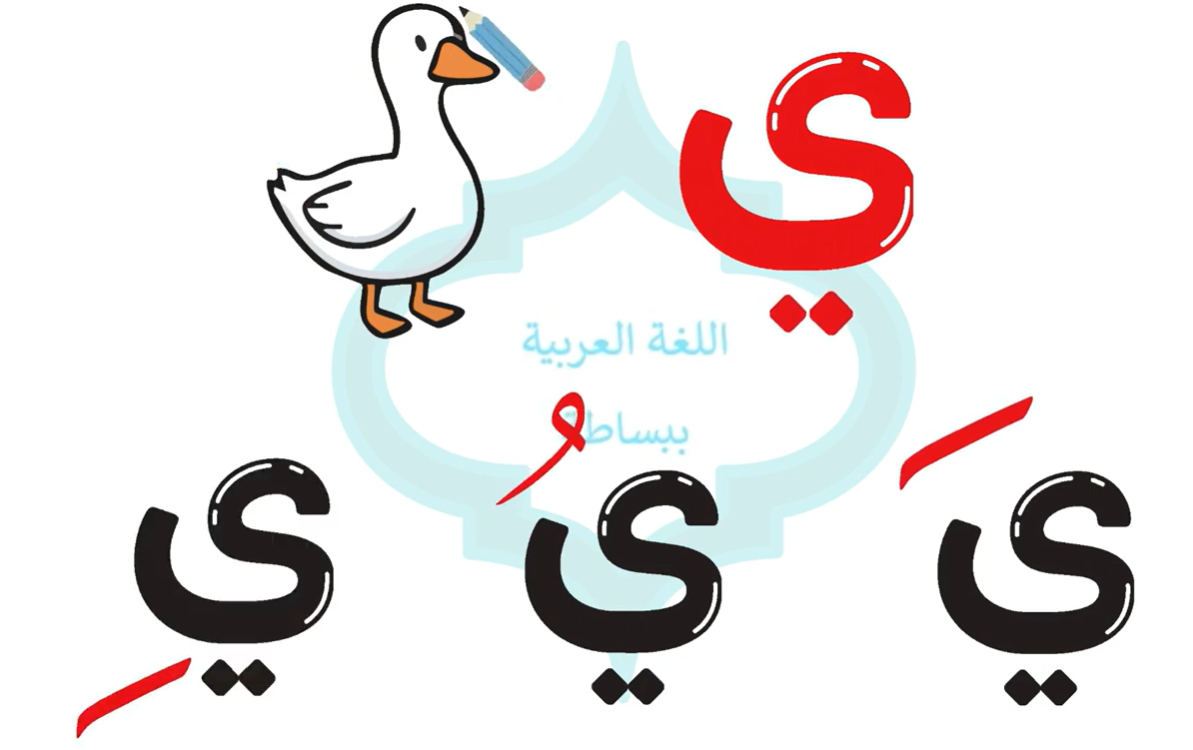
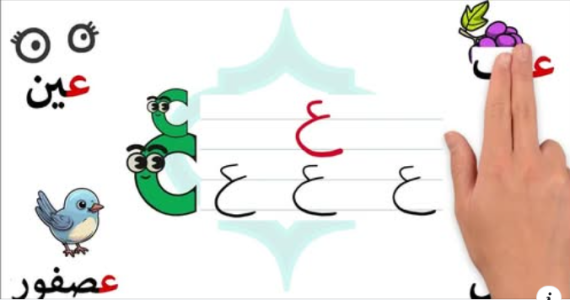
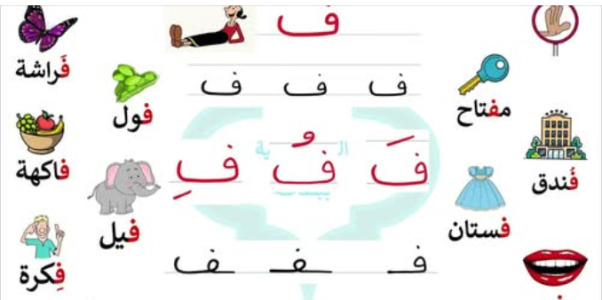
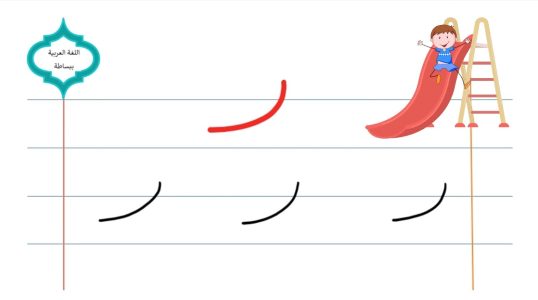
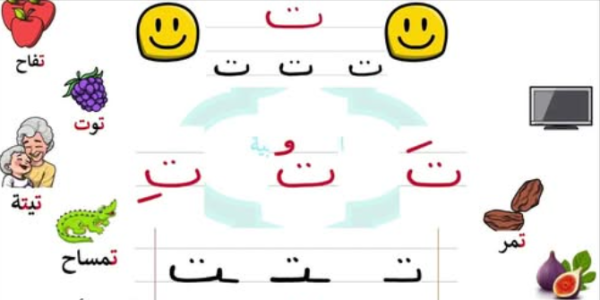
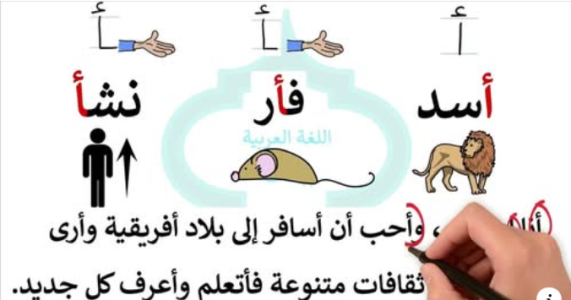
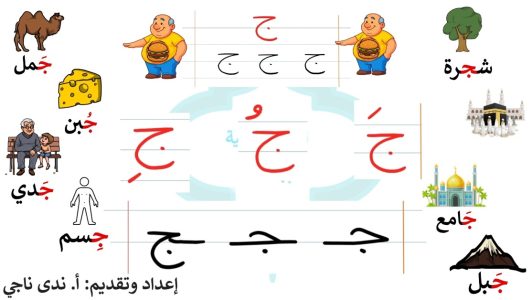
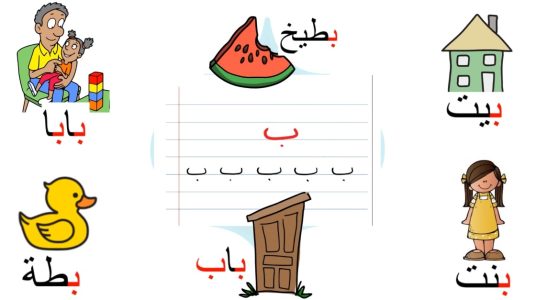
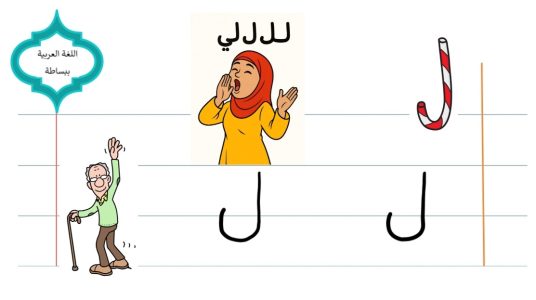
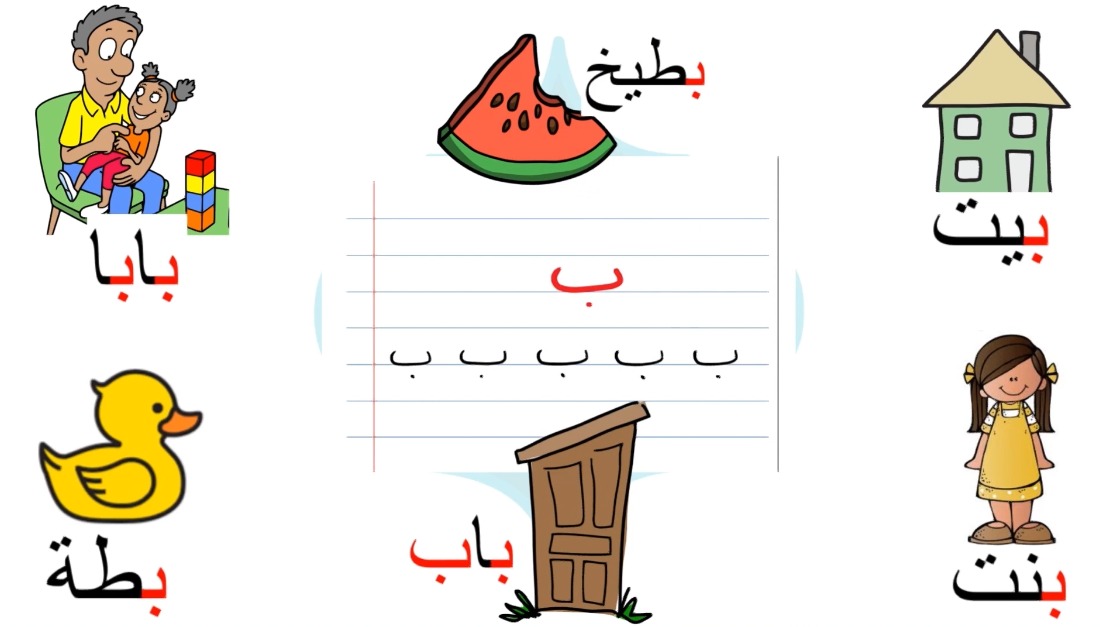
- This course introduces the Arabic alphabet in a simple and engaging way through videos that demonstrate each letter’s shape, how to write it, its sound with short vowels, and its connected forms—along with basic examples and vocabulary.
- The letters are not presented in the traditional order. Instead, they are arranged to avoid confusing children with similar-looking letters (starting first with one form of letters, then moving on to others), while also giving priority to the most frequently used letters.
- Parents and teachers are free to follow their preferred order, but please note: the games are designed according to the sequence provided in the course, while the other exercises are not tied to any specific order.
- By the end of this course, learners will be able to read and write Arabic letters in their different forms and sounds, as well as read and write simple words.
Course Objectives
- By the end of this course, learners will be able to read and write Arabic letters in their different forms and sounds, as well as read and write simple words.
How to Make the Most of This Course
For the best learning experience, we recommend the following tips:
- Work with your child to learn one letter per week.
- Provide your child with a special notebook, pencil, and eraser of their own choice for Arabic learning, and let them keep it in a favorite place.
- Follow the suggested sequence of letters.
- Adjust the pace according to your child’s age and ability. Don’t overload them with too much information at once.
- End the lesson before your child feels bored or tired.
- If your child is very young, divide each video into three stages:
- Introducing the letter’s sound, how to write it, its shape, and related vocabulary.
- Practicing the letter’s sound with short vowels.
- Learning the letter’s connected forms.
- Encourage your child to practice writing the letter. Ask them to look for the letter in books, magazines, on TV, or even on your phone screen.
- Let them write the letter beautifully in colors, hang it up at home, and celebrate the new letter together.
- Ask your child to find words containing the letter. Even if they suggest a foreign word, accept it cheerfully and explain that you’re looking for Arabic words.
- Choose the name of a person or animal starting with the letter and tell a story that connects to it, ideally with a moral or value relevant to their daily life (such as honesty, tidiness, or helping others).
- Tell family and friends that your child has learned a new letter, so they can encourage and celebrate their achievement.
- Throughout the week, look for beautiful words with the new letter. Each week is a celebration of a new letter, while also reviewing the previous ones.
- Once several letters are learned, combine them to form meaningful words, as well as funny nonsense words for extra fun.
- Use games like “Letter Hunter” to search for words containing the letter.
- Remember: learning letters is also a chance to learn new vocabulary, whether in FusHa or the spoken dialect.
- Make use of the sound effects in the videos to help your child remember the shape and sound of each letter in a fun and engaging way.
- Encourage your child to read and write words using the letters they’ve already learned.
- Provide colorful and attractive practice books for writing letters and words (widely available in bookstores and online).
- Encourage your child to complete the practice activities and games for each letter, making sure they actually read the letter instead of guessing or memorizing answers.
- Create a “Letter Book” with your child, giving each letter its own decorated page with a picture that represents it.
- Note: There are many different approaches to teaching letters and reading, and some issues (like hamza, alif, etc.) can be more complex. Here, we have chosen the simplest and most widely used method. No need to burden the learner with details that can be addressed later.


Episode
The long vowels (المد)
Exercises:
We’d love to hear from you! Share your thoughts, suggestions, questions, or requests through the form below.
And if you’d like to stay updated with our latest news and resources, just fill in the form as well.